

The global shift toward hybrid work models has intensified demand for office-friendly fitness equipment among corporate buyers and commercial distributors. When evaluating inventory for wellness programs, understanding the commercial potential of a walking pad versus a compact treadmill is critical. While both fit under-desk environments, their structural differences directly impact ROI, warranty claims, and compliance risks. This analysis dissects their viability for B2B procurement beyond consumer-grade marketing claims.
Defining the Equipment: Structural Impact on Commercial Viability
To assess office-use fitness equipment, procurement teams must distinguish engineering realities from branding.
-
Walking Pad (Under-Desk Treadmill): Characterized by an ultra-low profile (typically 4″–5″ height) and the absence of vertical support columns or handrails. Designed exclusively for low-speed walking (<4 mph), these units utilize intermittent-duty motors and prioritize silent operation. Their primary advantage is zero-footprint storage—sliding beneath standing desks when idle.
-
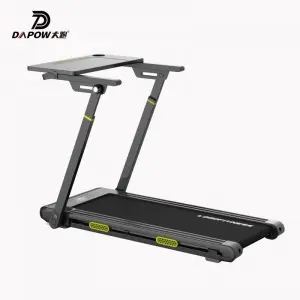
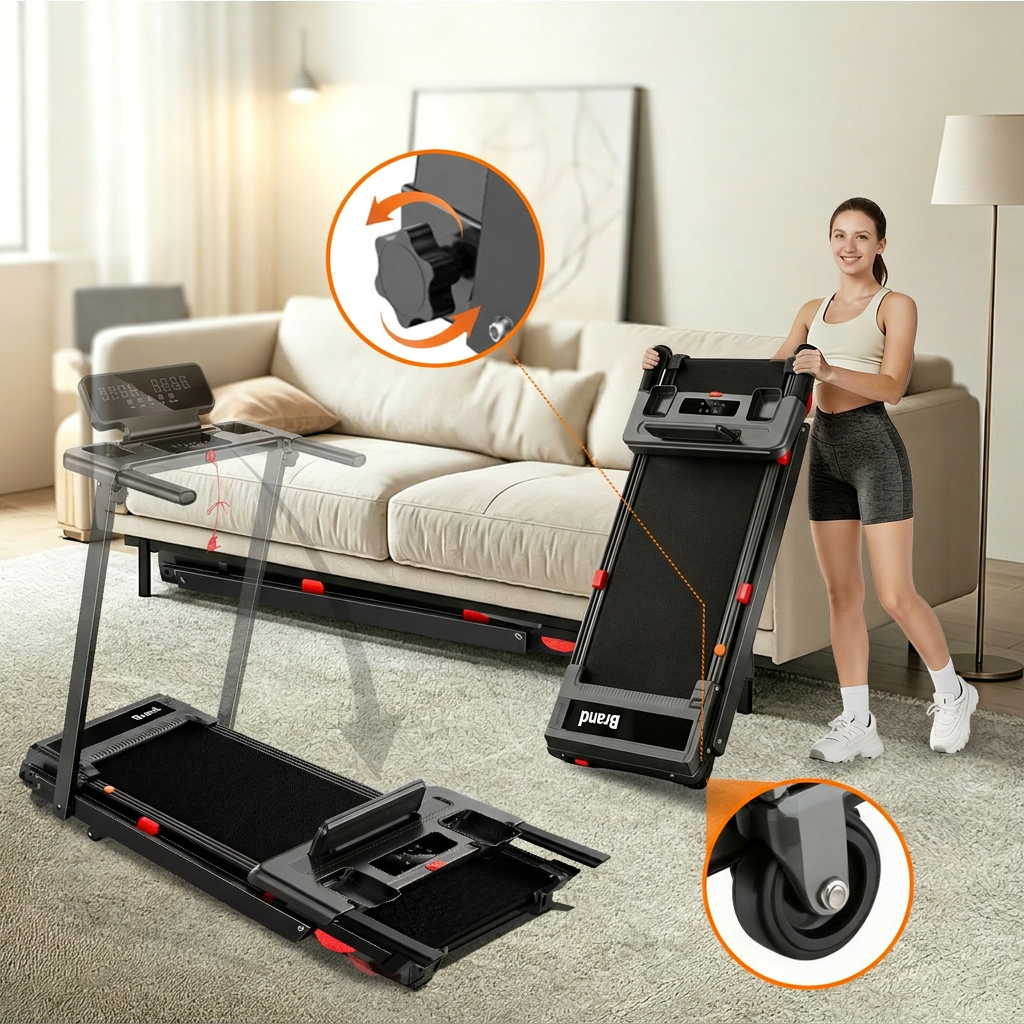
Compact Treadmill (Folding Treadmill): Features a folding upright column, safety handrails, and a higher continuous-duty motor (supporting speeds up to 10 mph). Equipped with cushioned decks and higher weight capacities (>300 lbs), these machines bridge the gap between residential and light-commercial cardio equipment. They accommodate both walking and light jogging, offering greater functional versatility.
Durability & Total Cost of Ownership (TCO) in Shared Workspaces
Commercial buyers prioritize lifecycle cost analysis over unit pricing. The operational environment dictates longevity.
-
Continuous-Duty Performance: In corporate wellness rooms, equipment endures multi-user sessions daily. Compact treadmills integrate thermally-protected continuous-duty motors and reinforced steel frames, engineered for sustained loads. Conversely, many walking pads employ peak-duty motors unsuitable for back-to-back usage, leading to premature overheating and motor burnout in high-traffic office settings.
-
Acoustic Compatibility: Open-plan offices demand near-silent operation. Premium walking pads leverage slim, brushless motors to achieve ~45 dB noise levels—often quieter than HVAC systems. However, high-end compact treadmills with advanced silicone damping systems can also meet stringent corporate decibel limits, making them viable for private offices or designated wellness pods.
Procurement Strategy: Target Markets & Profit Margins
Distributor profitability hinges on aligning product specs with buyer personas and after-sales service requirements.
-
Bulk Corporate Procurement: Enterprise clients (e.g., Fortune 500 HQs) favor compact treadmills. Their professional aesthetics, integrated safety keys, and handrails align with workplace safety protocols and insurance underwriting standards. Walking pads dominate the SME and startup segment, serving as affordable employee perks or bundled SKUs with height-adjustable desks.
-
After-Sales Revenue Streams: The mechanical complexity of compact treadmills generates recurring revenue through belt replacements, lubrication services, and calibration contracts. Walking pads, while boasting lower return rates due to simpler mechanics, face intense price competition and thinner margins, positioning them as volume-driven commodities rather than premium assets.
Regulatory Compliance & Liability Mitigation
Workplace safety regulations and liability concerns significantly influence purchasing decisions in North America and the EU.
-
Risk Management: The absence of handrails on walking pads increases trip-and-fall liability in unsupervised communal areas—a concern for corporate risk managers. Insurers often mandate safety features like emergency stop clips and side rails, inherently favoring compact treadmills for shared office deployment. For B2B distributors, this translates to broader market access and reduced liability exposure with compact treadmill offerings.
Market Outlook: Strategic Recommendations for Distributors
For wholesalers targeting the commercial wellness sector, compact treadmills currently present stronger commercial potential due to superior durability, regulatory compliance, and service-based revenue opportunities. Walking pads remain ideal for high-turnover e-commerce channels and SMB bundles but require careful vendor vetting to avoid high return rates from motor failures. Distributors should diversify portfolios to include both: position compact treadmills as premium B2B solutions and walking pads as entry-level productivity enhancers.
#OfficeFitnessEquipment #CommercialTreadmillPotential #UnderDeskWalkingMachine #CorporateWellnessProcurement #CompactTreadmillWholesale #WalkingPadBulkBuy #OfficeCardioEquipment #WorkplaceWellnessSolutions #B2BFitnessEquipmentSupplier
Post time: Jul-21-2026