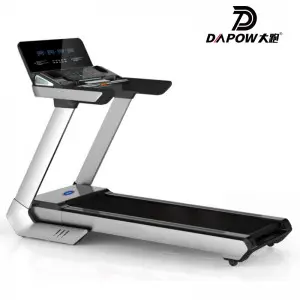
Sustainable Fitness: Eco-Friendly Materials and Energy-Saving Technologies in Treadmill Manufacturing (Featuring 4.0HP High-Efficiency Motors)
This is the core topic that currently tops the priority list for cross-border buyers, wholesalers, and B2B clients—and also the area with the most concentrated industry pain points. For bulk-purchased eco-friendly treadmills, either the eco-materials are cut corners to the point of being non-durable, or the energy-saving technologies are superficial, resulting in still high power consumption. End-users worry about insufficient power of eco-friendly models, while B2B clients like gyms are troubled by persistently high operating electricity costs. Cross-border buyers also fear being removed from overseas e-commerce platforms due to non-compliance. Whether you are involved in product selection, bulk wholesale, end-use, or venue operation, this article will help you avoid pitfalls, choose the right models, and reduce costs after reading. Next, we will break down the core connection between treadmill eco-materials, energy-saving technologies, and 4.0HP high-efficiency motors step by step, unlocking the key to manufacturing sustainable fitness equipment.
Eco-Friendly Materials for Treadmills: Which Materials Balance Eco-Friendliness, Durability, and Overseas Compliance?
Many people have a misunderstanding about treadmill eco-materials: they think “eco-friendly equals fragile and non-durable”. For cross-border buyers in particular, who want to align with global sustainability trends while fearing that eco-materials will fail compliance tests and trigger numerous end-user complaints, this concern is well-founded.
In fact,
high-quality treadmill eco-materials can meet eco-friendly requirements, ensure durability, and comply with overseas regulations. The three core commonly used materials are: recyclable ABS casings, recycled rubber treadmills, and bamboo/ solid wood composite handrails. These materials are not only recyclable and low-pollution but also offer wear resistance and anti-aging properties, while fully complying with relevant requirements of the EU WEEE Recycling Mark and CE certification.
We once cooperated with a cross-border buyer specializing in fitness equipment exports. Last year, he bulk-purchased a batch of cheap eco-friendly treadmills made of low-quality recycled plastic. These treadmills were not only prone to cracking but also rejected by ports upon arrival due to non-compliance with EU eco-regulatory standards, resulting in a direct loss of hundreds of thousands of yuan. Later, we helped him select models with recyclable ABS casings and recycled rubber treadmills, and simultaneously improved CE certification, WEEE Recycling Mark, and Declaration of Conformity. Since then, there have been no more compliance issues in subsequent deliveries, similar complaints were completely eliminated, and he even secured long-term repeat orders from European fitness brands.
Buyers and end-users often ask: “Do treadmills with eco-materials have a shorter service life than those with ordinary materials?” Actually, no. As long as the right materials are chosen—for example, the wear resistance of recyclable ABS casings is higher than that of ordinary plastic, and recycled rubber treadmills can last 3-5 years—they are no inferior to ordinary materials, while also aligning with sustainability trends and overseas compliance requirements.
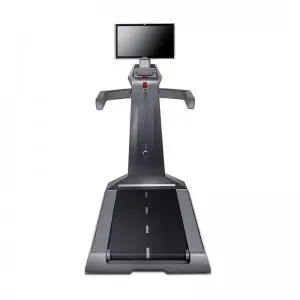
4.0HP High-Efficiency Motors: Achieving Dual Breakthroughs in Energy Savings and Power?
The energy-saving advantage of 4.0HP high-efficiency motors mainly stems from variable-frequency energy-saving technology, which automatically adjusts power output according to running speed. It reduces power consumption under low loads and stably outputs power under high loads, saving significantly more energy than ordinary 3.0HP fixed-frequency motors. Meanwhile, it delivers stronger power, making it suitable for both home and commercial scenarios.
We have a wholesaler customer who supplies domestic gyms. Previously, he promoted treadmills with ordinary 3.0HP motors, but gyms reported persistently high monthly electricity costs and excessive operating expenses, leading to a sharp decline in order volume. Later, we helped him switch to models equipped with 4.0HP high-efficiency motors paired with variable-frequency energy-saving control. After gyms adopted these treadmills, feedback showed that with the same usage frequency, monthly electricity costs were significantly reduced, and the repurchase rate directly increased by 30%.
Many buyers and end-users ask: “Are 4.0HP high-efficiency motor treadmills more expensive—are they really cost-effective?” In the long run, they are actually more cost-effective. In commercial scenarios, the electricity savings in just a few months can cover the price difference of the motor; in home scenarios, low power consumption saves more energy, while stronger power delivers a better running experience and higher end-user acceptance.
Treadmill Energy-Saving Technologies: What Core Techniques Exist Besides High-Efficiency Motors?
Many people assume that treadmill energy savings rely solely on motors—but this is not the case. True energy savings come from the synergy of motors and supporting technologies, which is practical experience summarized from years of deep industry engagement, applicable to both product selection and end-use.
In addition to 4.0HP high-efficiency motors, there are three mainstream energy-saving technologies with strong practicality and wide adaptability:
- Variable-frequency control technology: Works with high-efficiency motors to accurately adjust power and avoid invalid energy consumption.
- Power-off memory energy-saving: Automatically enters low-power standby mode when running is paused, and cuts off power automatically after long periods of inactivity.
- Treadmill friction optimization: Reduces friction between the treadmill belt and rollers, lowering motor load and indirectly saving energy.
We once cooperated with a chain gym whose treadmills were equipped with ordinary motors and no supporting energy-saving technologies, resulting in extremely high total monthly electricity costs and heavy operating pressure. Later, we suggested they replace them with models featuring 4.0HP high-efficiency motors, while optimizing treadmill friction and enabling power-off memory energy-saving. After the adjustment, total monthly electricity costs were significantly reduced, and operating costs dropped substantially.
Many end-users ask: “Can my old home treadmill without a 4.0HP high-efficiency motor be energy-saving in other ways?” Absolutely. Regularly cleaning treadmill belt dust, adjusting treadmill belt tension to reduce friction can indirectly save energy; turning off the power when not in use to avoid long-term standby power consumption—these small tips can effectively lower energy consumption.
Key Points for Cross-Border Procurement: How to Balance Quality, Compliance, and Costs for Eco-Friendly Energy-Saving Treadmills?
For cross-border buyers and wholesalers, selecting eco-friendly energy-saving treadmills requires aligning with sustainability trends while balancing quality, overseas compliance, and costs—after all, this directly determines complaint rates and repurchase rates, and is a common pitfall for many cross-border buyers.
Focus on three core points during procurement to avoid pitfalls and control costs:
- Materials and Compliance: Prioritize eco-materials such as recyclable ABS and recycled rubber, ensure the product bears the CE mark and WEEE Recycling Mark, and prepare the Declaration of Conformity and test reports to avoid removal from overseas platforms.
- Motors and Energy Savings: Prioritize 4.0HP high-efficiency motors paired with variable-frequency energy-saving technology to balance energy savings and power.
- Bulk Procurement for Cost Control: Negotiate bulk purchase prices with suppliers, and prioritize basic supporting energy-saving technologies instead of pursuing high-end configurations for higher cost-effectiveness.
We have a cross-border buyer serving the European and American markets. Initially, to control costs, he purchased treadmills with substandard eco-materials and no energy-saving technologies. As a result, they were either removed from platforms due to non-compliance or complained about by end-users for high power consumption, causing heavy losses. Later, he strictly followed our standards for procurement, balancing eco-friendliness, energy savings, and compliance, and negotiated bulk purchase prices. In the subsequent two years of cooperation, there were almost no complaints, and he built a stable base of overseas customers.
Many buyers ask: “Are treadmills with eco-materials prone to damage during cross-border transportation?” Actually, no. As long as the packaging is reasonable with anti-collision and moisture-proof treatments, eco-materials (such as recyclable ABS) have no worse impact resistance than ordinary materials. Moreover, recyclable materials are lighter, which can also save part of the transportation costs.
FAQ: High-Frequency Questions About Eco-Friendly Energy-Saving Treadmills
-
Is there a difference in service life between eco-friendly energy-saving treadmills and ordinary treadmills?
There is no essential difference; the key lies in the quality of materials and motors. Treadmills with high-quality eco-materials (recyclable ABS, recycled rubber) + 4.0HP high-efficiency motors can have a service life of 5-8 years, on par with or even more durable than ordinary treadmills, while also saving energy and complying with regulatory requirements.
-
Are treadmills with 4.0HP high-efficiency motors suitable for home use or commercial gyms?
They are suitable for both, with strong versatility. For home use, the power is sufficient for daily running and brisk walking, with low power consumption for energy savings. For commercial gyms, the power is strong, wear-resistant, and durable, capable of withstanding high-intensity, high-frequency use, while delivering significant energy savings to reduce gym operating costs.
-
What overseas compliance requirements need attention when cross-border procuring eco-friendly energy-saving treadmills?
Focus on three core points:
- Products must comply with EU technical standards such as EN 60335-1 and EN ISO 20957-6:2021, with test reports prepared.
- Products and packaging must bear the CE mark and WEEE Recycling Mark.
- Prepare the Declaration of Conformity and Risk Assessment Report, and ensure consistency between product detail page information and physical labels to avoid platform removal.
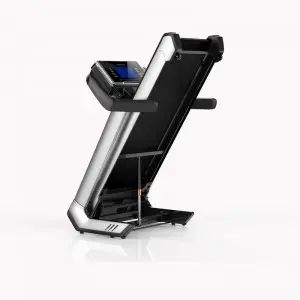
In summary, in the context of sustainable fitness, eco-friendly materials and energy-saving technologies in treadmill manufacturing (featuring 4.0HP high-efficiency motors) rely on the synergy of eco-materials + high-efficiency motors + supporting energy-saving technologies, while also meeting overseas compliance requirements. Mastering these key points, whether you are a cross-border buyer selecting products, a wholesaler supplying in bulk, an end-user using the equipment, or a B2B venue operator, you can avoid pitfalls, choose the right models, align with sustainability trends and overseas compliance, reduce costs, and enhance experience. This is the core answer to Sustainable Fitness: Eco-Friendly Materials and Energy-Saving Technologies in Treadmill Manufacturing (Featuring 4.0HP High-Efficiency Motors).
SEO Supporting Elements
Meta Description: Want to know about Sustainable Fitness: Eco-Friendly Materials and Energy-Saving Technologies in Treadmill Manufacturing (Featuring 4.0HP High-Efficiency Motors)? Senior experts in the treadmill industry break down eco-materials, energy-saving tips, and procurement key points with real cases, solving pain points in cross-border procurement compliance, cost control, and end-use. Suitable for home and commercial use, helping reduce complaints and boost repurchase rates. A must-read for product selection—unlock professional skills now!
Keywords: treadmill eco-friendly materials and energy-saving technologies, 4.0HP high-efficiency motor treadmills, cross-border procurement of eco-friendly energy-saving treadmills, treadmill energy-saving technologies, eco-friendly treadmill overseas compliance
Post time:
Feb-04-2026