

As sedentary workplace culture intensifies and health awareness rises in Japan, premium walking pads are evolving from purely home-use fitness equipment to popular commercial light-duty devices for multi-format convenience stores and urban mini fitness studios (personal training studios, pilates studios).
For overseas fitness equipment brands and import wholesalers seeking to enter the Japanese market, understanding Japan’s B2B distribution system, compliance thresholds, and end-scenario demands is critical to successful Japan fitness equipment distributor channel expansion.
From a buyer and channel development perspective, this article systematically analyzes placement logic and negotiation essentials for premium walking pads in Japan’s convenience store-related formats and small fitness studios.
Market Background for Commercial Placement of Walking Pads in Japan
Meanwhile, pilates studios, physical rehabilitation centers, and corporate employee wellness hubs in Tokyo, Osaka, and other urban areas widely adopt ultra-quiet, slim, foldable walking pads for warm-up and low-impact cardio — a clear distinction from traditional large treadmills.
Growing demand for compact treadmills for small fitness studios in Japan offers premium walking pad brands a strong entry point into commercial B2B channels.
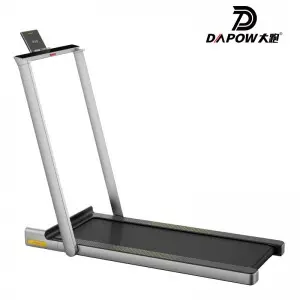
Preparations: Japan Channel Access & Qualification Requirements
- Electrical Safety Certification: As electrical products, walking pads exported to Japan must obtain PSE certification (specified or non-specified electrical appliances) and display the PSE diamond or circle mark accordingly. Uncertified products are generally excluded from formal chain systems.
- Language & Manuals: Operation manuals, safety warnings, and warranty cards must be provided in Japanese, complying with the Consumer Products Safety Act.
- After-Sales & Spare Parts Commitments: Japanese distributors emphasize warranty periods, availability of motor and controller spare parts (typically 5–7 years), and local authorized repair networks or return processes.
- Samples & Catalogs: Prepare Japanese product catalogs, specification sheets (size, noise level, max load, power consumption), high-resolution scene images, and trial samples to support distributor proposals to end retailers.
Placement Strategies for Convenience Store-Related Formats
Partner with Mini Gym Operators or Equipment Integrators
- Operating noise below 55dB
- Foldable, space-saving design
- Minimalist appearance matching commercial interiors
Typical channel path: Brand → Japan General Agent / Sporting Goods Wholesaler → Gym Operator → Store Placement.
Collaborate with Corporate Wellness & Building Management
Such procurement is often routed through office supplies or corporate welfare suppliers, with negotiation focus on CE/PSE dual certification, volume discounts, and regular maintenance services.
In-Store Displays & Co-Branded Promotions (Limited Scenarios)
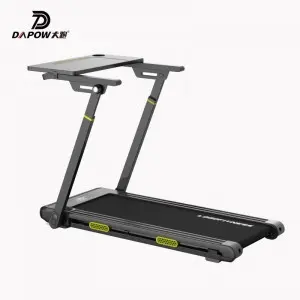
Placement Strategies for Fitness Studios, Pilates & Rehabilitation Centers
- Positioning Differentiation: Communicate to studio owners that walking pads complement — not replace — treadmills, ideal for 5–10 minute pre-session warm-ups, rehabilitative walking, and low-intensity activity between classes, especially for pilates and yoga studios with large female client bases.
- Trials & Staged Placement: Offer a 2–3 unit trial evaluation period or provide a studio launch package (including anti-slip mats, dust covers, Japanese quick-start guides) to lower decision barriers.
- Instructor Training Value-Add: Provide brief product training (App connection, incline settings, speed recommendations) to help coaches integrate walking pads into group or personal training sessions, boosting usage and repeat purchases.
- Regional Exclusivity: Offer city or regional non-compete clauses to high-performing studio distributors to incentivize demo days and local marketing.
Practical Tips for Finding & Negotiating with Japanese Distributors
- Target Distributor Types: Prioritize established sports equipment wholesalers, rehabilitation aid agents, or commercial fitness equipment providers with existing gym/studio client networks — they drive placement faster than general trading companies.
- Exhibitions & Referrals: Tokyo Fitness and SPORTEC Japan are leading B2B fitness exhibitions; meet potential agents onsite with Japanese materials. Referrals via the Japan Chamber of Commerce and Industry or third-party consultants are also effective.
- Initial Order & Payment Terms: Standard initial orders are trial quantities (several to dozens of units), with payment terms typically T/T 30% deposit + 70% against B/L copy or L/C at sight. After establishing trust, OA 30–60 days may be negotiable based on creditworthiness. Clearly define MOQs, slow-moving exchange policies, and PSE compliance liability in contracts.
- Sales Support Requirements: Require distributors to support Japanese POP creation, in-store experiential events, and online visibility (Rakuten, Yahoo! Shopping, Instagram) — key levers for improving turnover in Japanese offline channels.
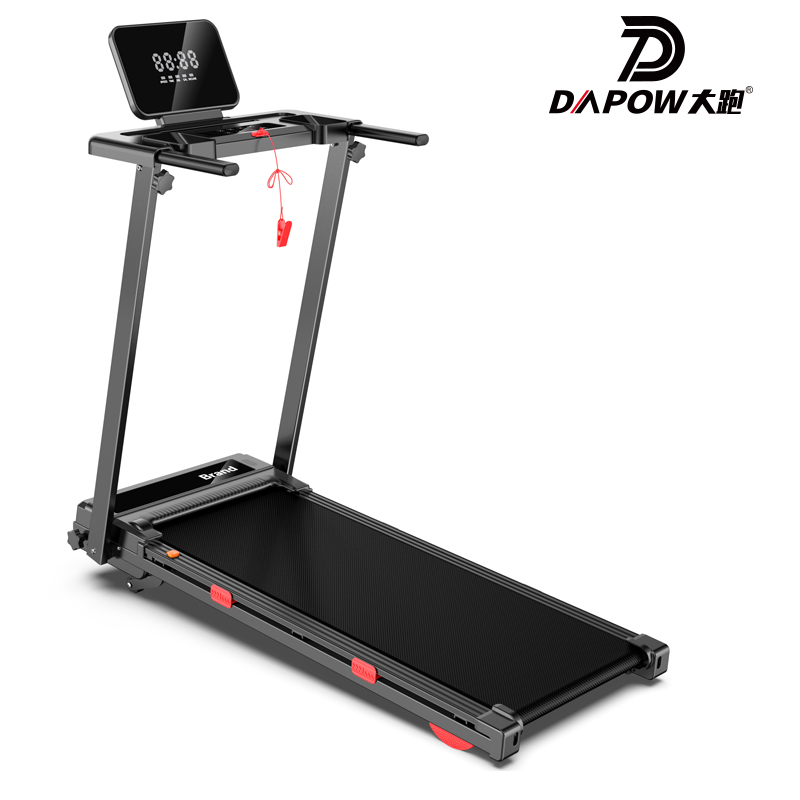
Post-Placement Follow-Up & Channel Maintenance
Regularly collect user insights from studios (noise perception, belt tracking, App connection stability) to refine products or release firmware updates. Conduct follow-ups and promotional support for stores not restocking for two consecutive seasons.
Long-term reorders depend on helping distributors actually sell through inventory.
Post time: Jun-17-2026