

Supplier Capacity Assessment for Premium Back Inversion Therapy Tables in Middle Eastern Membership Supermarkets: Key Steps to Ensure Stable End-User Supply
The core of procurement decisions lies not only in evaluating the product itself but also in conducting an in-depth and systematic assessment of the supplier’s comprehensive production capacity to ensure long-term supply chain stability.
Why Is Supplier Capacity Assessment So Critical?
For high-ticket, forecast-driven items such as premium back inversion therapy tables, stockouts not only mean direct sales losses but also damage member loyalty — as they expect reliable, seamless premium service from your platform. A single shortage can drive customers to alternative channels.
A supplier with stable and flexible production capacity serves as the foundation for avoiding such risks and achieving sustainable growth. This goes beyond simply “being able to produce”; it requires deep evaluation of quality consistency, production speed, flexibility, and long-term delivery reliability.
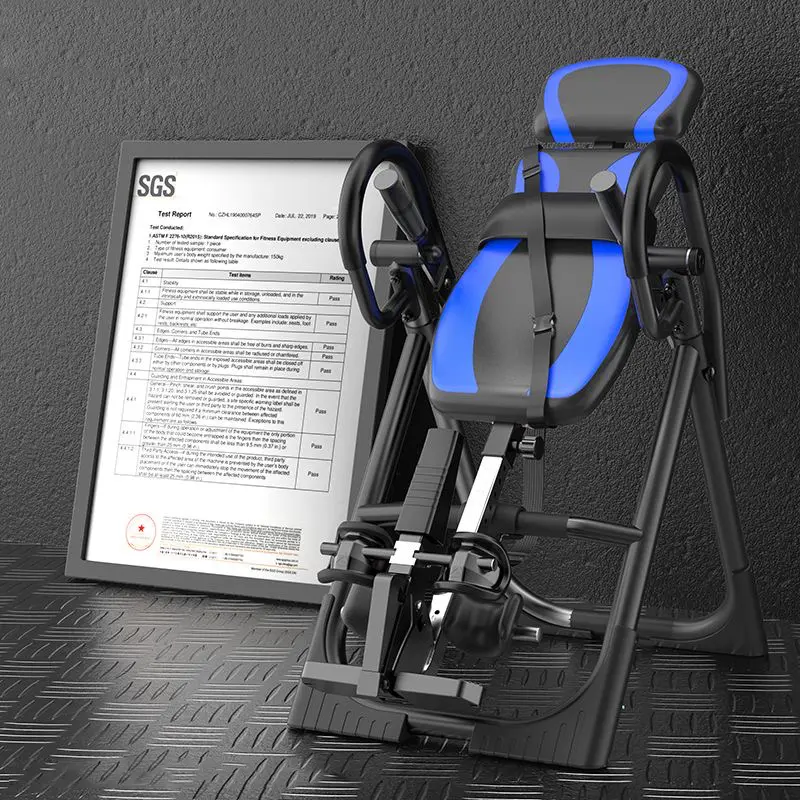
Dimension 1: Production Facilities & Automation Level
Factory Scale & Layout
Core Process Control Capability
Assess whether the supplier manufactures critical components (motors, control panels, safety locks) in-house or sources them externally. Strong control over core processes means greater authority over quality, costs, and lead times.
Automation & Quality Inspection Equipment
Does the supplier use professional testing equipment (load endurance test benches, motor performance testers, electrical safety testing devices) to perform 100% full inspection on every finished unit?
This directly determines the long-term reliability and safety of the product.
Evaluation Recommendations
Whenever possible, arrange on-site or virtual video audits to verify actual production capacity.
Dimension 2: Supply Chain Management & Raw Material Inventory
Supply Chain Resilience
Do they maintain alternative or dual-source suppliers? How many days of safety stock are held for critical parts?
This determines whether production can continue amid global supply chain fluctuations.
Raw Material Traceability
This supports product quality and complies with the Middle East market’s strict product safety and regulatory requirements.
Ability to Respond to Demand Fluctuations
Confirm whether the supplier supports flexible production scheduling, its maximum monthly capacity, standard lead time from order receipt to production completion (excluding sea freight), and the extent to which capacity can be increased for urgent orders.
Ask for real cases demonstrating how they handled similar demand surges.Dimension 3: Quality Control System & Certification Compliance
International Certifications (Market Entry Requirement)
- CE certification (covering Machinery Directive MD and EMC)
- UKCA certification for the UK market
- IEC standard compliance reports for electrical safety
Internal Quality Management System
Review full-cycle QC documentation from Incoming Quality Control (IQC) and In-Process Quality Control (IPQC) to Final Quality Control (FQC).
A mature quality system guarantees consistent, stable product output.
Defect Rate & After-Sales Performance
These metrics provide the most authentic reflection of production stability and reliability.
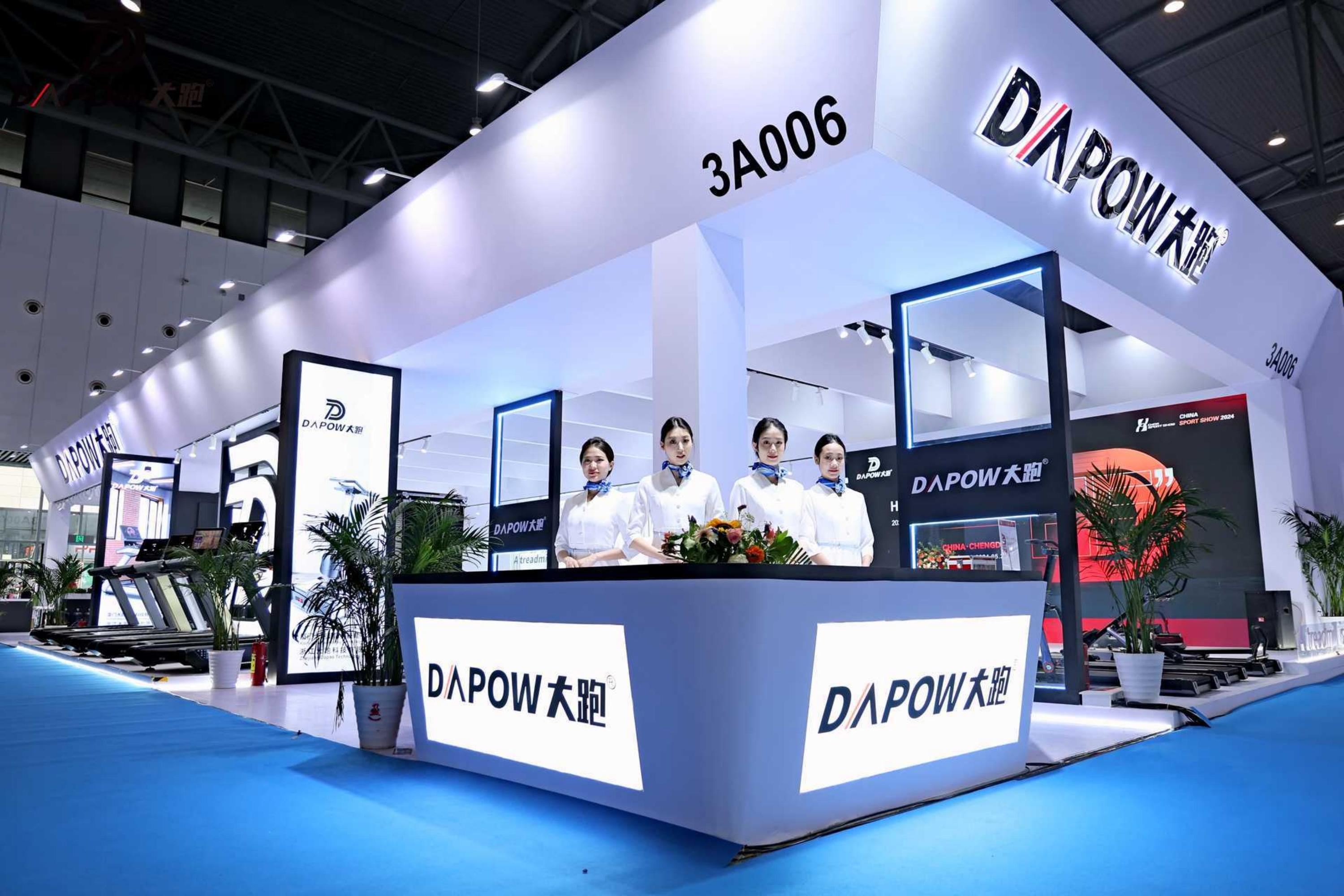
Dimension 4: Track Record & Client References
Experience in Similar Products
The process complexity, quality standards, and quality control requirements for back inversion therapy tables are highly aligned with premium fitness equipment.
Export History & Regional Expertise
Suppliers familiar with export procedures and customs documentation (compliance declarations, packing lists, test reports) save significant time and reduce compliance risks.
Customer Validation
Direct communication reveals on-time delivery performance, communication transparency, and problem-solving responsiveness.
Conclusion: Building Partnerships Based on In-Depth Assessment
A thorough capacity assessment forms the foundation of trust in this partnership. It requires looking beyond catalogs and specifications to deeply evaluate manufacturing capabilities, supply chain resilience, quality culture, and proven performance.
A supplier that clearly and confidently demonstrates full-spectrum capacity is far more likely to become a strategic partner ensuring stable shelf availability and member satisfaction, helping you build sustainable competitive advantages in the high-end wellness retail sector.
Post time: Mar-31-2026