

For sports goods wholesalers in the Middle East, the home treadmill market is undergoing a structural shift. Consumers are no longer satisfied with basic cardio equipment — they demand products that combine performance, smart technology, and reasonable pricing. The 3.5HP continuous-duty smart home treadmill, striking an optimal balance between capability and cost, has emerged as the “sweet spot” product in the Middle Eastern market. However, developing a precise import pricing strategy that covers costs while maintaining competitiveness is a challenge every wholesaler must address. This article explores how to align pricing with local procurement costs and formulate an effective strategy.
Precise Positioning: The Market Value of 3.5HP Smart Treadmills
In the Middle East, procurement strategies for high-end home treadmills require clear positioning. The core value of a 3.5HP continuous-duty treadmill lies in its ability to meet the high-intensity training needs of most household users, while its cost remains significantly below commercial-grade or ultra-high-horsepower models.
For wholesalers, the target customers are middle-to-high-income families pursuing quality living. They value durability, quiet operation, and smart features — but remain price-sensitive. Therefore, the 3.5HP smart treadmill should be positioned as a “high-value premium choice.” This means sourcing from suppliers whose products excel in motor performance, cushioning systems, smart connectivity, and design aesthetics — yet remain within mainstream consumer price ranges.
Cost Structure Analysis: A Full-Chain Perspective Beyond Ex-Works Price
The first step in formulating a pricing strategy is fully understanding the Total Cost of Ownership (TCO) . Focusing solely on ex-works price is insufficient; you must examine the entire supply chain cost structure.
Procurement Cost: This is the foundation, but not the only factor. It includes the product cost, export packaging, and inland freight to the departure port.
Logistics and Duties: Sea or air freight from Chinese ports to Middle Eastern destinations, plus import duties and VAT in the destination country, represent a significant portion of the cost structure. Tariff policies vary across Middle Eastern countries — accurate calculation is essential.
Local Operational Costs: These include customs broker fees, port charges, and local transport from the port to your warehouse.
After-Sales and Support Costs: Providing ter-sales service for electronic products like 3.5HP smart treadmills incurs costs — spare parts inventory, technical support staff, and potential上门 repair services. Pricing must allocate room for these contingent expenses.
Only by precisely calculating all these cost components can you derive a true, reliable break-even point.
Valuing Smart Features: Paying for Technology
The core distinction between a 3.5HP smart treadmill and traditional models lies in its intelligent configuration. When evaluating procurement costs, assess whether these smart features justify their added expense.
Smart Connectivity: Does it support Bluetooth and app control? Can it sync heart rate, speed, distance, and other data? These features significantly enhance user experience and add product value.
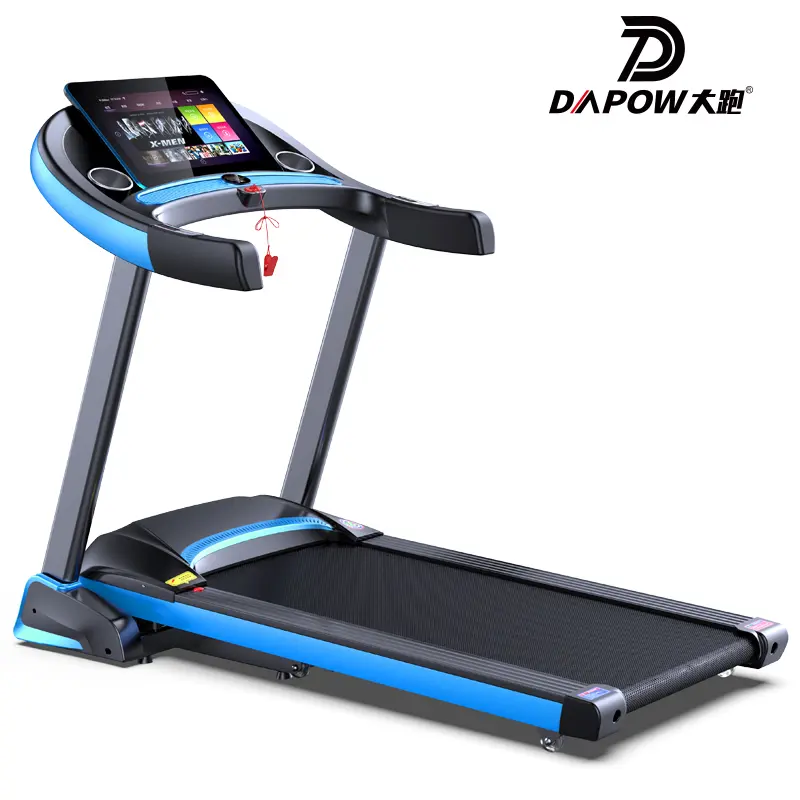
Entertainment Systems: Built-in tablet holders, speaker systems, and quiet motor technology make workouts more enjoyable — important selling points that support higher pricing.
Automation Features: For example, one-touch electric incline adjustment provides a smoother training experience compared to manual adjustment, justifying price differentiation.
During negotiations, prioritize evaluating the stability and usability of these features. An unstable smart system generates high after-sales costs, negating any savings. Select suppliers with proven technology and solid reputations — even at slightly higher procurement prices, the long-term TCO may be lower.
Developing a Competitive Market Pricing Strategy
Once you clearly understand your cost structure and product value, you can formulate your final market pricing strategy.
Competition-Based Pricing: Thoroughly research competitors in your market. What are comparable 3.5HP smart treadmills selling for? How do their features and configurations differ from yours? Your price should offer clear advantages — either better performance at parity pricing, or lower pricing at comparable performance.
Value-Based Pricing: If your product possesses unique advantages in noise reduction, shock absorption, or smart experience, consider value-based pricing. Through marketing, clearly communicate these distinctive benefits to consumers, demonstrating superior value that justifies a higher price point.
Tiered Pricing: Consider offering different configuration versions — for instance, a base model and a premium model. The base model covers core functions at an aggressive price point; the premium model includes advanced smart systems and more preset programs for users seeking ultimate experiences. This strategy covers a broader customer base.
Building Long-Term Supplier Partnerships
Pricing strategy is not a one-time decision but a continuous optimization process. Establishing a long-term strategic partnership with a reliable treadmill manufacturer is key to controlling procurement costs and maintaining price competitiveness.
A strong partner will:
-
Provide Price Stability: When raw material prices fluctuate, leverage scale advantages and supply chain management to offer relatively stable pricing, helping you hedge market risks.
-
Drive Continuous Innovation: Regularly introduce new products aligned with market trends, keeping your offerings attractive to customers.
-
Deliver Robust Technical Support: Provide timely, professional assistance when you encounter technical issues or customer inquiries, reducing your after-sales burden.
Through close collaboration with suppliers, you can better anticipate market shifts, optimize inventory management, and co-develop forward-looking market strategies.
In conclusion, crafting a successful import pricing strategy for 3.5HP smart home treadmills in the Middle East market is a complex task requiring balance among cost, value, and competition. By precisely positioning your product, comprehensively analyzing costs, rationally assessing technology value, and selecting the right pricing model, you can secure a strong position in this dynamic market and achieve sustained business growth.
SmartHomeTreadmill #3.5HPTreadmill #MiddleEastSportsGoodsWholesale #ImportPricingStrategy #ProcurementCostAnalysis #HighEndHomeTreadmill #TreadmillWholesale #SportsEquipmentImport #MiddleEastMarket #TreadmillPricing
Post time: Jun-02-2026