

Music is one of the most effective tools for maintaining motivation during indoor cardio training. Whether you are using a high-end home treadmill for intense running sessions, a standard home treadmill for daily jogging, or a compact walking pad for light activity, the right audio environment can significantly extend your focus and improve workout performance. In recent years, treadmills with integrated Bluetooth speakers have become increasingly common in home gyms. These machines allow users to stream music directly from smartphones or tablets without needing external speakers or being forced to wear headphones throughout the session. However, getting the best possible sound experience while running requires more than just pairing your phone; it involves understanding the equipment, optimizing your settings, and choosing the right listening strategy for your training style.
How Built-in Bluetooth Audio Systems Work
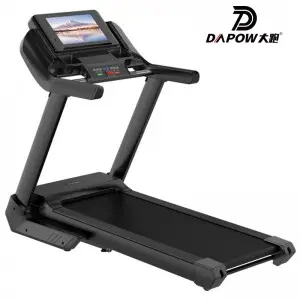
Most modern electric treadmills and foldable models feature dual stereo speakers embedded within the console. These connect wirelessly to your smart device via Bluetooth protocols. Newer machines typically use Bluetooth 5.0 or higher, which ensures stable connectivity and low latency, making them suitable for streaming music or following interactive fitness classes. The audio signal is sent from your phone to the treadmill’s internal amplifier, which then drives the speakers. Volume can usually be controlled independently through the treadmill’s console buttons or adjusted on your mobile device. While some premium machines offer AUX inputs or direct app synchronization, most home users rely primarily on Bluetooth connections.
It is recommended to complete the pairing process and set your media volume before starting your run. Once the treadmill reaches higher speeds, sweaty hands and machine vibration can make adjusting settings inconvenient. Always place your phone securely on the treadmill’s tablet or phone holder to maintain a strong signal and easy access to playback controls.
Environmental Factors Affecting Sound Quality
The treadmill environment introduces unique challenges for audio clarity. The motor and moving belt generate consistent background noise, especially at higher speeds. As a result, the effectiveness of built-in speakers depends heavily on their power output, enclosure design, and the acoustics of the room. Compared to a smartphone’s small speaker, integrated treadmill speakers generally provide clearer vocals and stronger rhythm support during walking or light jogging. However, in large, empty rooms with high ceilings, excessive echo can reduce clarity, and at running speeds above 10 km/h, motor noise may mask some lower-frequency details.
Compact walking pads usually have smaller, lower-power speakers due to their slim design. They are better suited for quiet environments where background music or podcasts enhance focus rather than delivering high-volume, bass-heavy sound.
Practical Tips for Better Audio During Workouts
Selecting playlists that match your target cadence (BPM) can help synchronize your stride with the music, making it easier to maintain pace without constantly checking the display. If your treadmill supports fitness app integration, many interactive programs automatically adjust music tempo in sync with changes in speed or incline.
For users training in noisy environments who still want clear detail, lightweight open-ear or bone-conduction headphones can complement built-in speakers without completely isolating you from your surroundings. Conversely, if you prefer not to wear anything on your ears and want to stay aware of your environment, integrated Bluetooth speakers offer the most convenient, cable-free solution.
Routine maintenance also plays a role in audio quality. Wiping down the console area regularly prevents sweat and dust from accumulating in the speaker grilles, which can distort sound over time. If your treadmill offers adjustable equalizer settings, slightly increasing the bass can add energy to high-intensity workouts, but avoid overpowering mid-range frequencies that carry vocal cues or coaching instructions.
Evaluating Treadmill Speaker Quality
When assessing a home treadmill with built-in Bluetooth speakers, consider factors such as Bluetooth version (preferably 5.0+), total speaker output power, multi-device pairing capability, independent volume control, and quick mute functions. For users who also own an inversion table or other recovery equipment, having consistent Bluetooth audio features across all fitness devices can simplify operation and improve the overall home gym experience.
Ultimately, the value of integrated Bluetooth speakers lies not in competing with high-end Hi-Fi systems, but in removing cable clutter, eliminating headphone discomfort, and creating a smoother, more enjoyable training atmosphere. By understanding how to optimize these features, you can turn every indoor run into a more engaging and motivating session.
Related Keywords
Home Treadmill # High End Home Treadmill # Folding Treadmill # Walking Pad # Under Desk Treadmill # Treadmill with Bluetooth Speakers # Exercise Equipment with Speakers # Best Treadmill for Home Gym # Compact Walking Machine # Bluetooth Fitness Equipment
Post time: Jun-22-2026