

For fitness equipment retailers and distributors, a precision product mix is key to seizing market opportunities and maximizing profits. In the home fitness space, folding treadmills and walking pads stand out as two top-selling categories. Both prioritize space-saving design, yet they target distinct user groups and usage scenarios.
Should you stock one, the other, or both? This article breaks down their core differences to help you make data-driven purchasing decisions aligned with your target market.
Folding Treadmills: Full-Function Home Fitness Hubs
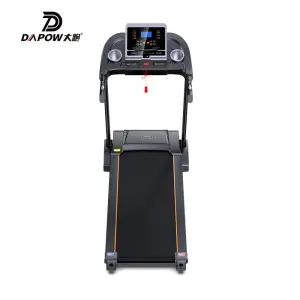
A folding treadmill is the evolved version of the traditional home treadmill—it retains comprehensive workout capabilities while solving space constraints with smart folding design.
Core Strengths: Versatility & High Performance
These units feature more powerful motors, wider running belts, and richer functionality. Most support 0–18% auto incline and a broad speed range (e.g., 0.6–10 MPH), catering to walking, brisk walking, and high-intensity running. Designs like dual-layer shock-absorbing running decks protect users’ joints during intense workouts.
Target Users: Serious Fitness Enthusiasts
Folding treadmills are ideal for home users who prioritize running as their primary exercise and demand performance and variety. They want a powerful, stable machine that folds away neatly when not in use.
Market Positioning
They fill the gap between bulky commercial treadmills and basic walking pads, making them the go-to choice for consumers building a mini home gym.
Walking Pads: Ultimate Simplicity & Convenience
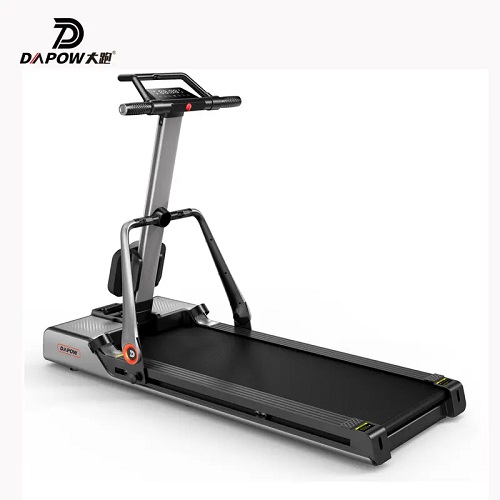
A walking pad (or flat walking treadmill) embodies minimalism—stripped of traditional handrails and consoles, it resembles a portable flat platformWalkingPad.
Core Strengths: Ultra-Compact Design & Multi-Scene Use
The biggest draw is its ultra-slim, compact profile—it slides easily under sofas or beds with zero footprintWalkingPad. Its primary use case is “active multitasking”: low-intensity walking while working, watching TV, or on callsWalkingPad. Newer models like foldable walking pads with handrails add safety and stability while retaining compactness, expanding their user baseWalkingPad.
Target Users: Urban Professionals & Fitness Beginners
Walking pads resonate with sedentary office workers, space-constrained urban dwellers, and fitness newcomersWalkingPad. They seek low-pressure, sustainable ways to boost daily activity rather than high-intensity runningWalkingPad.
Market Positioning
Positioned around light fitness and office wellness, walking pads are perfect entry-level products to attract new customers to the fitness marketWalkingPad.
Decision Guide: At-a-Glance Comparison
| Feature | Folding Treadmill | Walking Pad |
|---|---|---|
| Core Functions | Running, brisk walking, incline training | Walking, ultra-compact storageWalkingPad |
| Target Users | Fitness enthusiasts, home gym builders | Office workers, beginners, small-space usersWalkingPad |
| Usage Scenarios | Dedicated workout sessions | Office, leisure, fragmented timeWalkingPad |
| Product Traits | Full-featured, high performance | Ultra-minimalist, highly portableWalkingPad |
Conclusion: Broaden Your Customer Base
Choosing between folding treadmills and walking pads is not an either/or decision—they address two vital, distinct home fitness needs.
- If your customers prioritize professional performance and comprehensive training, folding treadmills are your core offering.
- If you aim to attract consumers seeking convenience, low barriers to entry, and healthy lifestyles, walking pads are your market-opening toolWalkingPad.
The optimal strategy is to combine both products. By offering entry-level walking pads alongside full-function folding treadmills, you cover a wider audience—from fitness novices to dedicated enthusiasts—maximizing market share and profitability.
#foldingtreadmill #walkingpad #hometreadmill #fitnessequipmentsourcing #homefitness #autoinclin treadmill #flatwalkingpad #fitnessequipmentdistribution #healthylifestyle #OEMfitnessequipment
Post time: Jul-06-2026