

A Container of Treadmills Came Back as Returns, Not Sales
A fitness equipment importer selling through online marketplaces launched a folding treadmill that reviewed well on motor power and cushioning. Three months later the return rate had reached nearly one in five, and the reason was almost never the machine. Buyers could not get the box up a stairwell, could not fit the folded unit in the space they had measured for a different model, or abandoned the assembly halfway and requested a collection. Each return cost more than the margin on two successful sales. The specification had been written for the showroom and never tested against the customer’s hallway.
The Three Dimensions Nobody Puts on the Listing
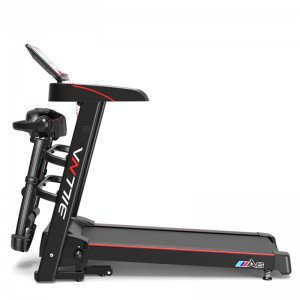
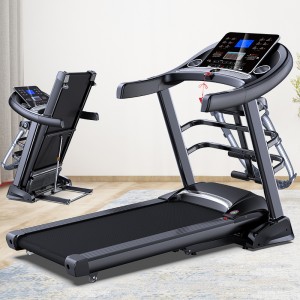
Importers publish running surface, motor power and maximum speed, which are the numbers that sell the machine. The numbers that decide whether it stays sold are folded height, folded depth and carton weight. Require all three on the specification sheet and on the retail listing, measured on a production unit rather than calculated. A folded height that exceeds the ceiling height of a typical apartment storage space guarantees a return in urban markets. Publish a folded diagram with dimensions alongside the running photo, because the shopper is deciding whether it disappears into their home, not how fast it goes.
Folding mechanism quality belongs in the same review. A folding home running treadmill should be tested through at least two hundred fold cycles at the sample stage, since the latch and the gas assist are the parts that fail first in home use and generate warranty claims long after the return window has closed.
Carton Weight and the Stairwell Test
Last-mile cost is driven by carton weight, carton length and whether two people can carry it. A carton above roughly sixty kilograms moves into a different and much more expensive delivery class in most markets, and a carton longer than the stairwell turn cannot be delivered at all without disassembly. Ask the factory for the gross carton weight and the carton dimensions, then run a real stairwell test with two people before the first container ships. Where the numbers are marginal, specify a split carton so the deck and the uprights ship separately. Discovering this after landing stock is the most expensive way to learn it.
Assembly Time Is a Published Specification
Assembly is where a good product earns a bad review. Measure the assembly time with an untrained person using only the supplied tools and manual, and publish that figure honestly on the listing. Understating assembly time converts a smooth delivery into a return request. Judge the manual on four points: an exploded diagram, a hardware table matching labelled bags, a stated tool list, and torque guidance on the frame bolts. Require hardware bags sealed and piece-counted by model, because a missing bolt is the single most common reason a half-built treadmill is sent back.
Running Surface Length Against Real Stride
Belt length is the specification most often quietly reduced to hit a price point, and it is the one the customer notices every session. A belt that is too short for a tall user’s stride causes heel strikes on the rear roller cover and produces exactly the kind of complaint that reads as a product defect. Match belt length to the tallest user segment you intend to serve, not to the average. A wide luxury home treadmill addresses this with both length and width, which is why it suits markets with taller users. State the recommended maximum user height in the listing; doing so reduces returns more effectively than any discount.

Weight Capacity Is a Structural Claim, Not a Marketing Number
Maximum user weight is the most inconsistently stated figure in the category. Ask how the rating was derived and whether it was tested at speed or statically. A rating tested statically at walking pace is not the same as one validated at running speed, and overstating it produces frame and deck failures inside the warranty period. Require a tested figure and a stated test method in the specification. A 4.0hp home treadmill with shock absorption aimed at heavier or more frequent users needs the frame gauge and deck specification verified, not assumed from the motor figure.
Matching the Machine to the Channel
Return rates differ sharply by channel and the specification should follow. Marketplace buyers assemble alone and return easily, so favour lighter cartons, shorter assembly and very explicit dimensions for that channel. Retail and gym chain buyers take assembled or professionally installed units, where duty cycle and service access matter more than carton weight. An entry home treadmill for value channels should be specified for the delivery network it will actually travel through, not for the one that costs least on paper. Running one specification across all channels is the structural reason return rates vary so widely between sellers of the same model.
The Bottom Line
Publish the folded dimensions, carton weight and honest assembly time, and test the stairwell and the assembly before the first container ships. Most home treadmill returns are delivery and assembly failures wearing a quality label, and they are decided in the specification, not in the warehouse.
Related Pages
- How to Choose Treadmills for Corporate Wellness Programs
- How to Source Treadmills for Amazon FBA and Online Marketplace Sellers
- Private Label Opportunities for Walking Pads and Compact Treadmills
Post time: Sep-18-2026