

Nordic countries including Sweden, Norway, Denmark, and Finland boast a deeply entrenched consumer culture centered on healthy lifestyles and rank among Europe’s regions with the highest per capita ownership of fitness equipment. Yet in this market, premium home treadmills see significantly stronger end-user demand than commercial treadmills—a stark contrast to North America or the Middle East, where large chain gyms drive commercial equipment sales. Understanding the logic behind Nordic preference for high-end home treadmills empowers importers and brand distributors to refine product selection and regional marketing strategies with precision.
Nordic Housing & Design Aesthetics Fuel Premium Home Demand
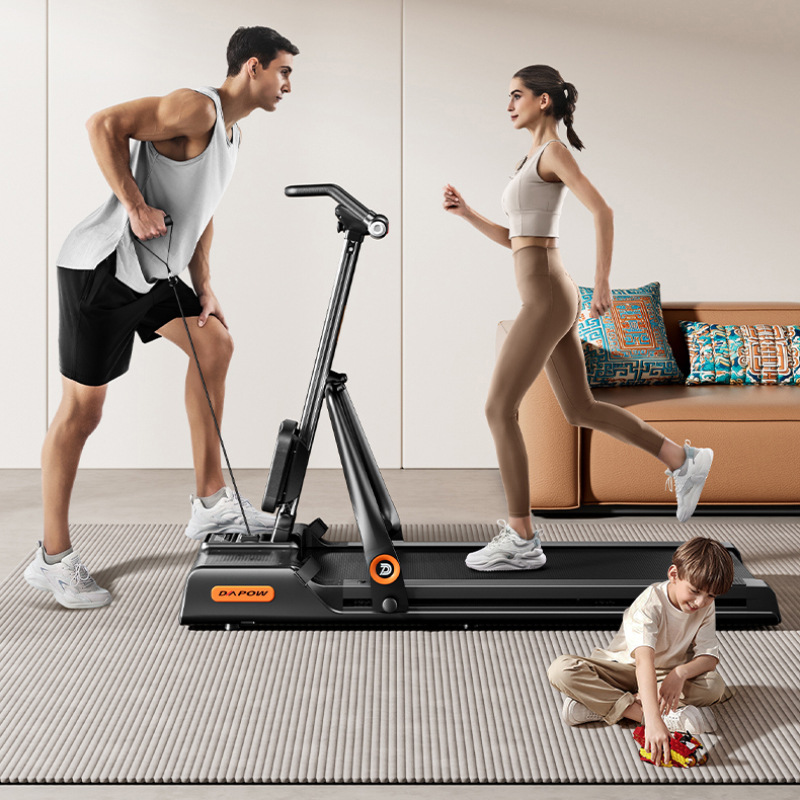
A high proportion of Nordic households live in detached or semi-detached homes, many featuring dedicated leisure rooms or convertible spaces for home gyms. Unlike industrial-looking commercial treadmills, local consumers favor premium folding treadmills or luxury non-folding home models with intentional industrial design that blends seamlessly with interior decor.
Commercial treadmills are bulky, mechanically styled, and often finished in harsh black-and-yellow safety colors—clashing with Scandinavian design’s signature light wood tones, white, and gray palettes. In contrast, premium home treadmills with minimalist aesthetics, concealed wiring, matte finishes, and space-saving foldability resonate strongly with buyers.
Long Winters & Outdoor Limitations Solidify Home Fitness Habits
The Nordic region endures months of cold, wet, dark winters that severely restrict outdoor exercise. Historically, it is also one of the earliest adopters of indoor fitness equipment globally—the world’s first home treadmill originated in Finland in 1965.
Decades of cultural nurturing have normalized at-home fitness as the primary routine, not gym visits. This deep-rooted home fitness culture amplifies demand for high-quality home walking machines and treadmills, while limited growth in new commercial gyms keeps commercial equipment procurement volumes far below retail.
High Disposable Income & Focus on Long-Term Health Investment
Nordic nations consistently rank among the world’s top per capita GDP regions. Consumers willingly pay a premium for home models with superior cushioning, quieter operation, larger running belts, and smart connectivity features.
Premium home treadmills typically include brushless DC quiet motors, multi-zone cushioning decks, connected training apps, and heart rate control programs—supporting workouts from brisk walking to interval training. Built for long-term home use with simple maintenance, they outperform commercial alternatives that require professional upkeep, use AC motors, and occupy excessive space. For cost-conscious Nordic households prioritizing long-term value, a high-end home model is the rational choice.
Remote Work Normalization & Privacy Preferences
Remote and hybrid work models are widely adopted across the Nordics. Professionals seek flexible, private daily workouts to avoid crowded gyms and commute time. Premium home treadmills integrate Bluetooth heart rate monitor syncing, virtual scenic runs, and on-demand classes—aligning perfectly with solo training preferences.
Commercial treadmills, engineered for heavy, shared use, deliver excess performance for single households and waste valuable living space.
Product Insights for Importers & Distributors
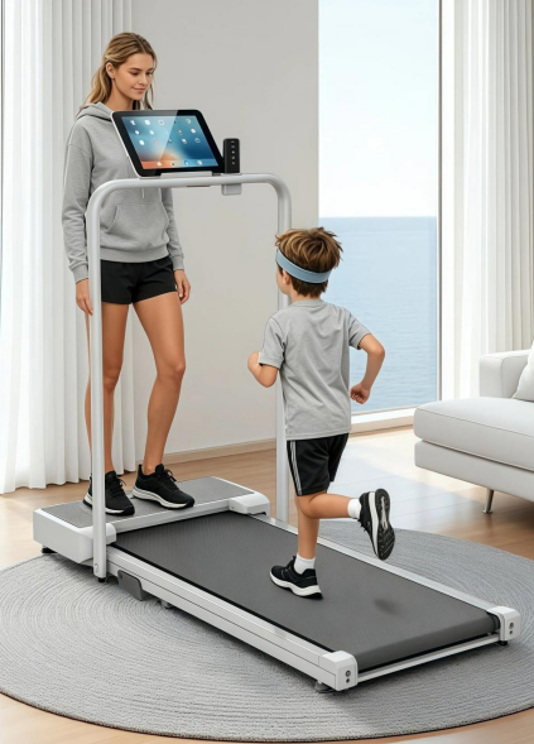
When selecting inventory for Sweden, Norway, Denmark, and Finland, prioritize home treadmills with these attributes over traditional commercial gym models:
- CE, UKCA, or equivalent electrical safety certifications, compliant with EU energy efficiency and EMC standards
- Hydraulic folding or compact designs for urban apartment storage
- Operating noise below 65 decibels for residential quietness
- App connectivity, virtual classes, and heart rate control programs to align with digital fitness trends
- Sleek, premium aesthetics with optional wood-grain or matte panels to complement home decor
Conclusion
The Nordic preference for premium home treadmills over commercial alternatives stems from a confluence of harsh climate, home fitness culture, high purchasing power, design-driven housing, and remote work adoption. For fitness equipment suppliers targeting the region, focusing on premium home and light commercial treadmills is the strategic direction that aligns with local demand.
Post time: Jun-09-2026