

In the post-pandemic global consumer market, home fitness has evolved from a mere supplement to commercial gyms into an independent and mature healthy lifestyle. As consumers demand increasingly sophisticated at-home workout experiences, the premium home fitness equipment market is undergoing a profound consumer upgrade. As the centerpiece of home fitness setups, luxury treadmills are advancing along dual dimensions of professionalization and intelligence in design philosophy, functional configuration, and user experience.
Core Drivers of Consumer Upgrade: From “Function Fulfillment” to “Experience First”
Traditional home treadmills were often seen as basic devices where “running is enough.” However, the needs of a new generation of high-net-worth consumers have fundamentally shifted. They no longer focus solely on basic performance but prioritize comprehensive performance in design aesthetics, quiet operation, exercise safety, and smart interaction.
Behind this trend lies a re-evaluation of time value. Modern urbanites face high time costs and expect professional-grade experiences comparable to or even surpassing commercial gyms within limited at-home workout time. Therefore, premium home treadmills must achieve breakthroughs in the following areas:
Design Aesthetics & Home Integration
Products are no longer obtrusive industrial equipment but art pieces that blend seamlessly into modern home environments. Streamlined exteriors, premium materials (aluminum alloy, piano lacquer), and compact folding designs have become standard features.
Quiet Operation & Shock Absorption Technology
Privacy requirements in residential settings demand extremely low operational noise. Advanced shock absorption systems protect user joints while effectively reducing disturbance to neighbors below—this is a key differentiator between premium and entry-level models.
Intelligence & Immersive Experience
Basic running data no longer satisfies users. Integration of high-definition touchscreens, online classes, virtual scenic runs, real-time heart rate monitoring, and multimedia entertainment systems has become core to boosting user engagement.
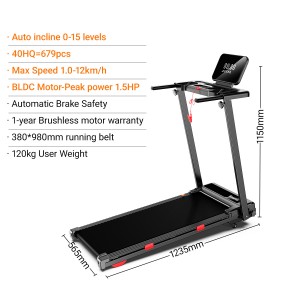
Market Positioning of Luxury Treadmills: Targeting the High-End Nordic Market
Take the Nordic market as an example. Consumers in Sweden, Norway, Denmark, and Finland deeply embrace healthy lifestyles, with per capita fitness equipment ownership among Europe’s highest. A striking feature here is that premium home treadmills are far more popular than commercial models.
This is not due to inferior commercial equipment performance but stems from cultural differences. Nordic consumers prefer integrating high-quality fitness equipment into home life over frequenting public gyms and are willing to pay a premium for superior design, quieter operation, and smarter interaction. Thus, premium home treadmills targeting this market require precise product positioning adjustments:
Emphasize “Quiet Operation”
yet users are highly sensitive to noise. Technologies like brushless motors, optimized drive systems, and sound-dampening foam must keep operational noise below 45 decibels—a basic entry requirement.
Enhance “Intelligent” Configurations
Nordic users are digital natives with high acceptance of smart devices. Treadmills supporting Wi-Fi connectivity, compatibility with major fitness apps, and personalized training plans gain greater favor.
Prioritize “Environmental Sustainability”
The Nordic market imposes strict requirements for environmental certifications (CE, RoHS, FSC). Environmental performance in material selection, production processes, and packaging directly influences purchasing decisions.
Product Innovation Directions: Examples of “Automatic Incline Adjustment” and “Integrated Ecosystem”
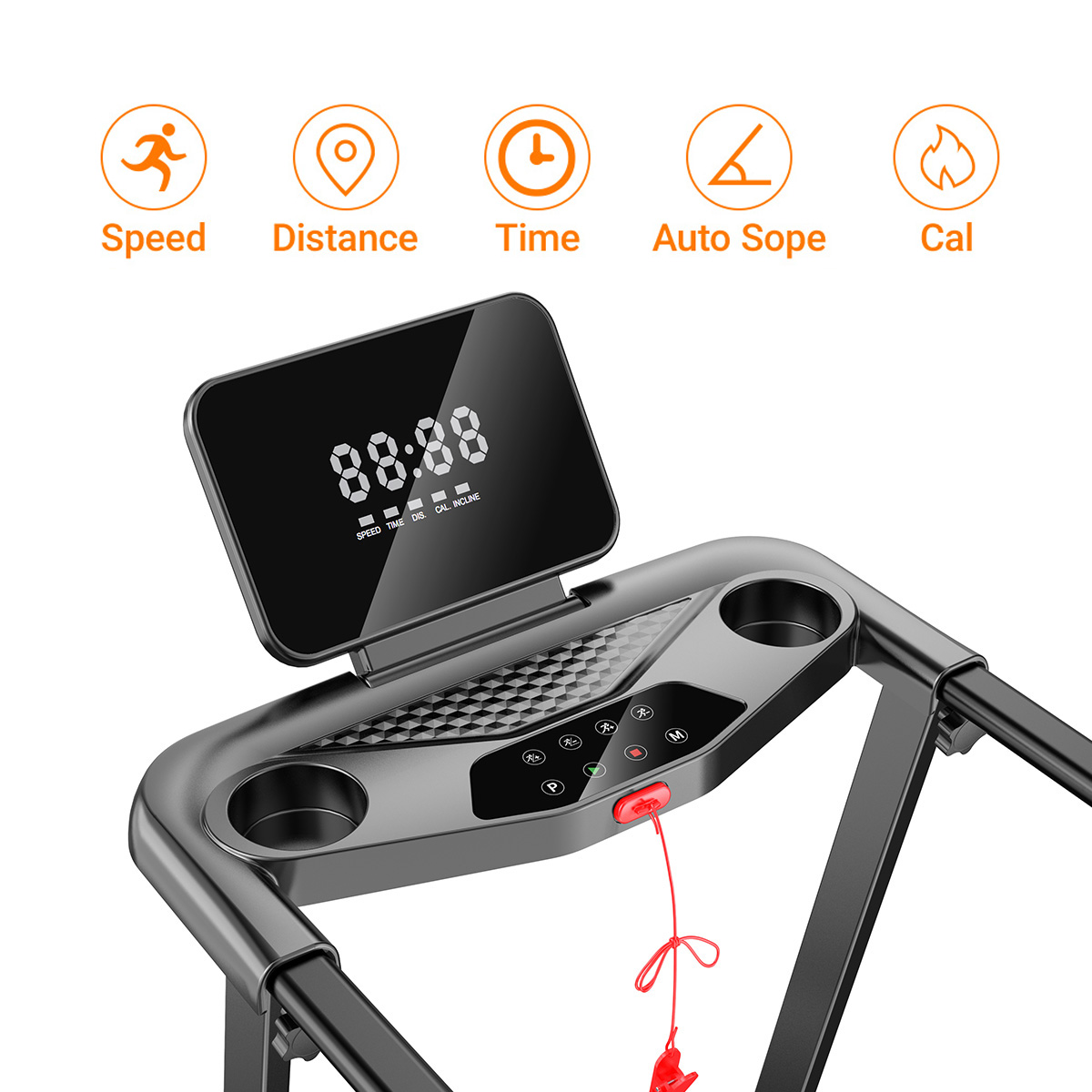
In technological innovation for premium home treadmills, automatic incline adjustment has become a key marker of product tier. Manual adjustment is cumbersome and cannot support dynamic training. Models with 0–15+ levels of electric incline adjustment simulate outdoor mountain running and climbing, greatly diversifying training modes.
Additionally, building a “treadmill+” ecosystem is emerging as a trend. For example, linking treadmills with smart TVs, audio systems, and lighting controls creates immersive home gym experiences. Some premium models also feature one-touch folding, automatic lubrication, and self-diagnosis, further lowering usage barriers and maintenance costs.
Buyer’s Perspective: How to Capitalize on This Trend?
For global buyers, seizing the consumer upgrade trend in premium home treadmills means shifting from price competition to value competition. When selecting products, focus on these dimensions:
Brand Positioning & Market Alignment
Clarify consumption habits and cultural preferences in target markets. For North America, emphasize high horsepower and heavy-duty capacity; for Europe, highlight energy efficiency and design aesthetics.
Technical Barriers & Patent Layout
Prioritize suppliers with core patents (e.g., shock absorption technology, intelligent control systems) to ensure differentiation amid homogeneous competition.
Certification & Compliance
Ensure products pass target market safety and environmental certifications to avoid customs delays or legal risks from non-compliance.
After-Sales Service & Technical Support
Premium equipment demands higher installation, commissioning, and maintenance. Choosing partners with robust technical support and spare parts supply is critical for long-term collaboration.
Conclusion
The consumer upgrade in the premium home treadmill market fundamentally reflects consumers’ pursuit of a healthier, more efficient, and more enjoyable lifestyle. For buyers, this represents not only a product line upgrade opportunity but also a test of market insight and supply chain integration capabilities. By accurately grasping user needs, selecting innovative partners, and building region-specific marketing strategies, you can seize opportunities in this consumer upgrade wave.
Post time: Jun-15-2026