

An importer in Rotterdam took delivery of three treadmill containers last spring, and every SKU landed within USD 60 of the others at a street price near USD 420, so the retail buyer promoted only the unit with the brightest display and left the other two to gather dust. Two thirds of the stock became dead inventory inside 90 days, while the promoted model sold out and forced a costly air-freight reorder. A treadmill range with no visible price ladder lets the cheapest visible unit win every shelf, and it quietly destroys the margin built into the better machines. The fix is a deliberate ladder where each rung owns a distinct channel and a distinct spec story.
Why a price ladder needs visible spec separation
Motor continuous horsepower, belt width and deck length, incline range, console and connectivity, cushioning, folded footprint and warranty length are the seven levers that make a step-up feel real. When two models share the same 2.0 HP motor, the same 42 cm belt and the same 12-month warranty, the higher-priced one has no reason to exist.
Build the separation so each rung answers a different shopper question, and write the gap in numbers a procurement manager can defend:
- Motor: step from 2.0 HP continuous to 2.5 HP, then to 3.0 HP for the light-commercial rung.
- Running surface: widen the belt from 42 cm to 48 cm and lengthen the deck from 120 cm to 140 cm.
- Warranty as the trust rung: stretch coverage from 12 months on the entry unit to 18 months mid and 24 months flagship.
How much spec separation does a price step actually need?
The gap between rungs should be large enough to justify the jump but small enough to keep the buyer inside your range. A useful entry-to-mid step is roughly USD 150, and a mid-to-flagship step is roughly USD 250, which keeps the full ladder inside a USD 199 to USD 599 window.
Translate the price gap into spec proof so the retailer can hear the difference on the floor. A mid unit at USD 349 should carry at least 2.5 HP, a 48 cm belt, 15% power incline and a 7-inch console, while the USD 199 entry keeps a 2.0 HP motor, 42 cm belt and 10% incline. Those numbers are the whole argument; without them the ladder collapses.
Pricing the entry rung for marketplace and promotional channels
The entry rung lives or dies on marketplace search and promotional stacks, so it must win the thumbnail and still leave room for a 30% retail markup. Land the entry at a street price of USD 199 to USD 229, which supports a distributor cost near USD 120 and protects a 25% to 30% gross margin after freight. Discounting the entry below USD 180 trains buyers to wait for sales and drags the mid tier down with it.
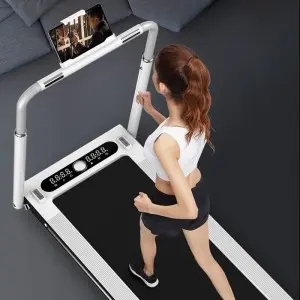
For importers building a promotional base, the DAPOW B1-4010 foldable fitness treadmill with a 2.0 HP motor for entry-level home use sits exactly on that entry rung. Its 42 cm belt, 120 cm deck and 10% incline give the spec sheet just enough to clear marketplace minimums without threatening the better machines above it. Position it as the volume hook, not the margin engine, and never list it in gym quotations.
What the mid tier must add so the step-up reads as worth it
The mid tier is where most margin is earned, so it must add features the entry cannot fake. Add a 2.5 HP motor, a 48 cm belt, 15% power incline, a Bluetooth console and an 18-month warranty, and the USD 349 step-up becomes an easy yes for the shopper who almost bought the cheap unit.
The DAPOW Z1-402 walking and running treadmill with Bluetooth and a 2.5 HP motor for the mid tier fills that middle rung cleanly. With its connected console and running mode it reads as a genuine upgrade from the foldable entry rather than a colour swap, which is what keeps the ladder credible at the point of sale.
What the flagship and light-commercial rung must carry
The top rung exists to defend your brand in gym and hospitality bids, so it must clear standards the home units never face. A flagship that shares a 2.0 HP motor with the entry invites the buyer to treat your whole range as cheap, so the top rung needs a 3.0 HP duty-rated motor, a heavier 85 kg frame and a 150 kg user weight rating. Duty cycle, not peak power, separates light-commercial from home.
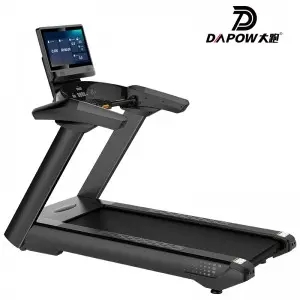
The DAPOW C5-520 treadmill with a 52 cm luxury running platform for light commercial gyms carries that flagship spec. Its 52 cm belt and 140 cm deck give a stride closer to club machines, while the heavier frame and higher weight rating let it survive 8-hour daily duty in a small studio.
How does each channel want a different rung, and how do you guard margin?
Every channel shops a different rung, so map the ladder to where each buyer actually buys. Marketplaces want the USD 199 to USD 229 entry, specialist retail wants the USD 349 mid, gym and hospitality projects want the USD 599 flagship, and corporate wellness programmes want a mid-to-flagship mix with longer warranties. Selling the wrong rung to the wrong channel is how margin leaks.
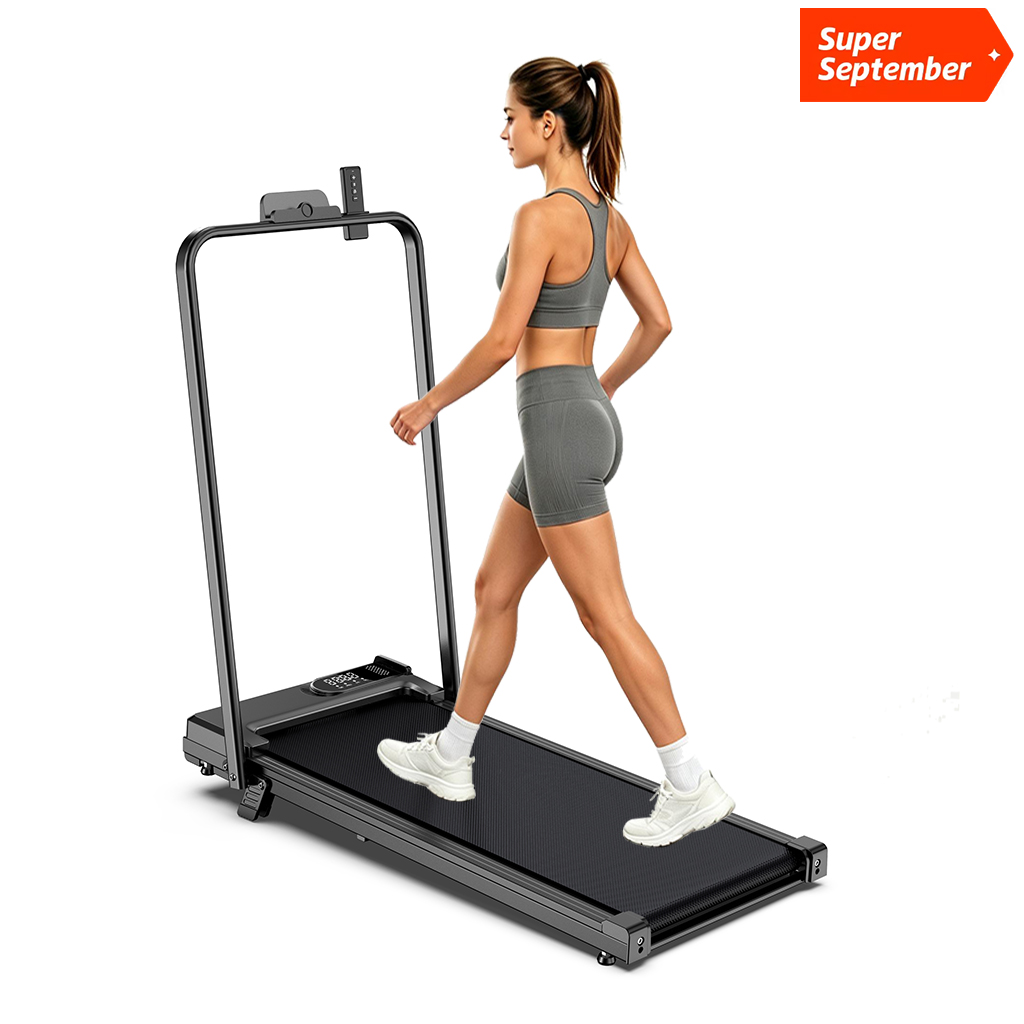
For high-traffic marketplace stacks, the DAPOW Z1-403 electric walking folding treadmill with a small footprint for marketplace promotions works as a second entry hook. Its compact fold and lower ship weight keep landed cost near USD 110, which protects the 30% margin even after a promotional 15% coupon on a USD 209 listing.
Gym and hospitality buyers need the durability story, and the DAPOW C7-530 running exercise treadmill machine with a 3.0 HP motor for gym and hotel use answers that brief. Putting it on open retail sites at USD 649 invites channel conflict, so restrict it to project quotations and keep its price off public listings.
Guard the ladder with three rules, and write the opening order against the margin bands:
- Margin bands: hold 25% to 30% on entry, 35% to 40% on mid, and 40% to 45% on flagship by controlling freight and discount depth.
- Channel lock: forbid marketplace SKUs from appearing in gym quotations and vice versa to stop price comparison.
- Opening order: place roughly 50% entry, 35% mid and 15% flagship so promo volume leads while margin units trickle in.
Build your first container around those ratios and you protect the better machines instead of burying them. Send your channel map to DAPOW Sports and request a ladder quote that locks each rung to its channel before you commit the deposit. The next move is a 20-foot sample mix split 50/35/15, not three near-identical treadmills that starve your margin.
Related Pages
- How to Choose Treadmills for Corporate Wellness Programs
- How to Source Treadmills for Amazon FBA and Online Marketplaces
- Private Label Opportunities for Walking Pads and Compact Treadmills
Post time: Oct-29-2026