

An importer sells 1,200 treadmills in the first year. Sales are strong, reviews are good, and the second order is being discussed. Then the warranty claims start: a drive belt here, a console there, and no spare parts in the country. Every claim becomes an eight-week wait, and by the time the containers arrive the retailer has already dropped the line.
After-sales capability is what turns a first container into a long-term range. It is also the part of the business plan that gets skipped, because nobody enjoys budgeting for parts that hopefully will never be used. This guide is for fitness equipment importers, gym chain buyers and home appliance retailers building a treadmill programme.
Expect a Real Failure Rate and Plan for It
Treadmills are electromechanical products that run under load for hundreds of hours a year. Some failures are inevitable, and pretending otherwise guarantees a bad outcome. Industry practice for home and light commercial units is to budget a spare parts allowance in the range of two to four percent of the FOB value of the first order.
That allowance is not a cost, it is the price of keeping the second order. An importer who can fix a machine in seventy-two hours keeps the retailer. One who needs eight weeks loses the line permanently, regardless of how good the product is.
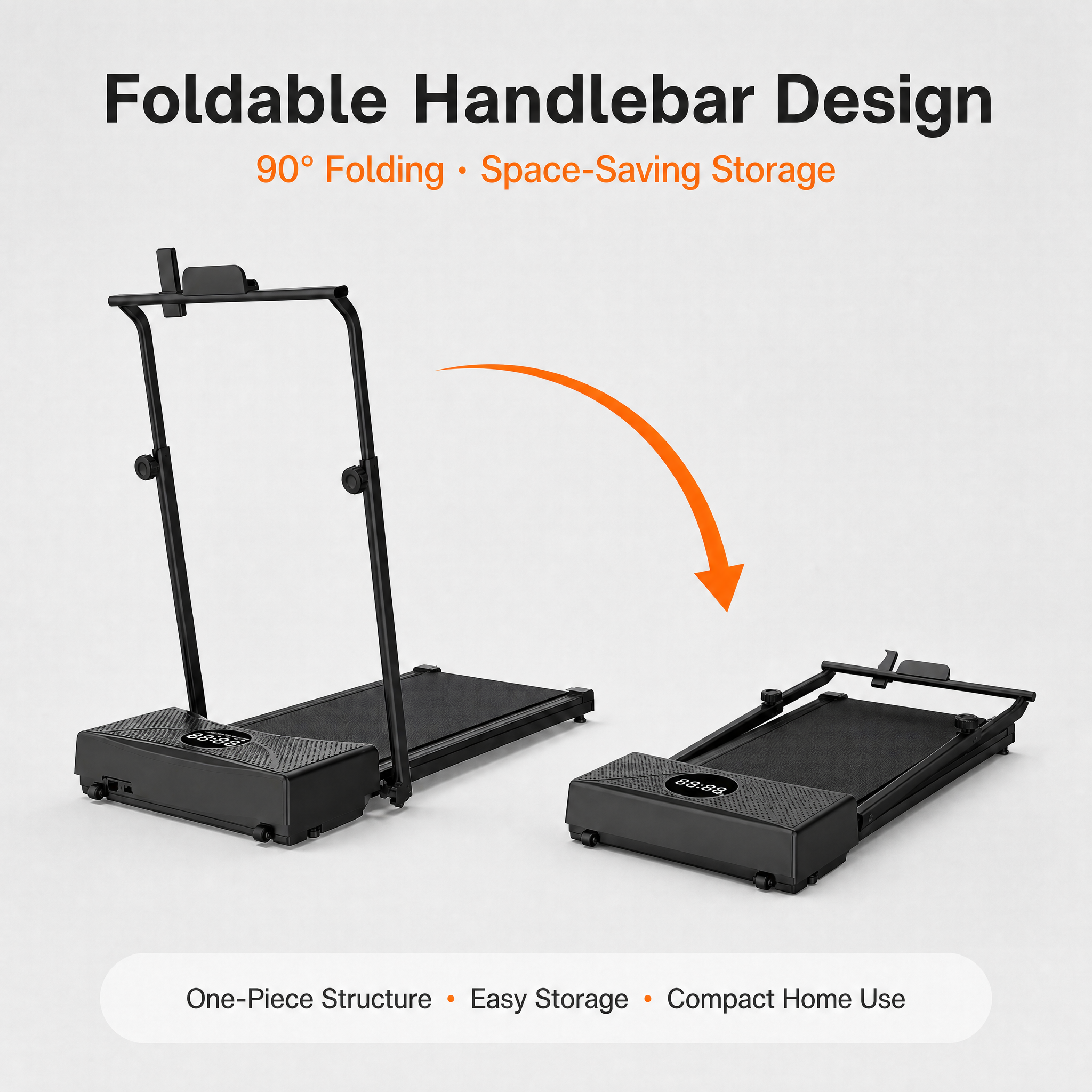
The Parts That Actually Fail
Failure is not evenly distributed. Across home and light commercial units, the pattern is consistent enough to plan against.
- Running belt and deck. The highest wear item by a wide margin. Friction, lubrication neglect and misalignment all shorten life. Stock both together, since a worn belt usually damages the deck.
- Drive belt. Cheap, light, and fails more often than buyers expect. Absolutely worth stocking in quantity.
- Motor control board. The expensive one. Power surges and heat kill controller boards, and they are the part most likely to be out of stock when needed.
- Incline motor and lift mechanism. Moderate failure rate, bulky, and slow to source at short notice.
- Console and keypad membrane. Cosmetic but highly visible. A cracked console looks like a broken machine to the customer.
- Safety key, handrail covers, roller bearings. Low value, high nuisance factor, and tiny to ship.
A Practical First-Year Stocking Ratio
As a working starting point for a home and light commercial mix, per 1,000 units sold:
- Running belts: 15 to 20 units
- Drive belts: 40 to 60 units
- Motor control boards: 10 to 15 units
- Incline motors: 8 to 12 units
- Consoles: 10 to 15 units
- Safety keys and small mouldings: 100+ units
Adjust upward for commercial placements. A treadmill in a hotel gym or a small studio runs several hours a day rather than three hours a week, and the wear rate is correspondingly higher. Commercial units deserve their own spare parts budget, calculated separately.
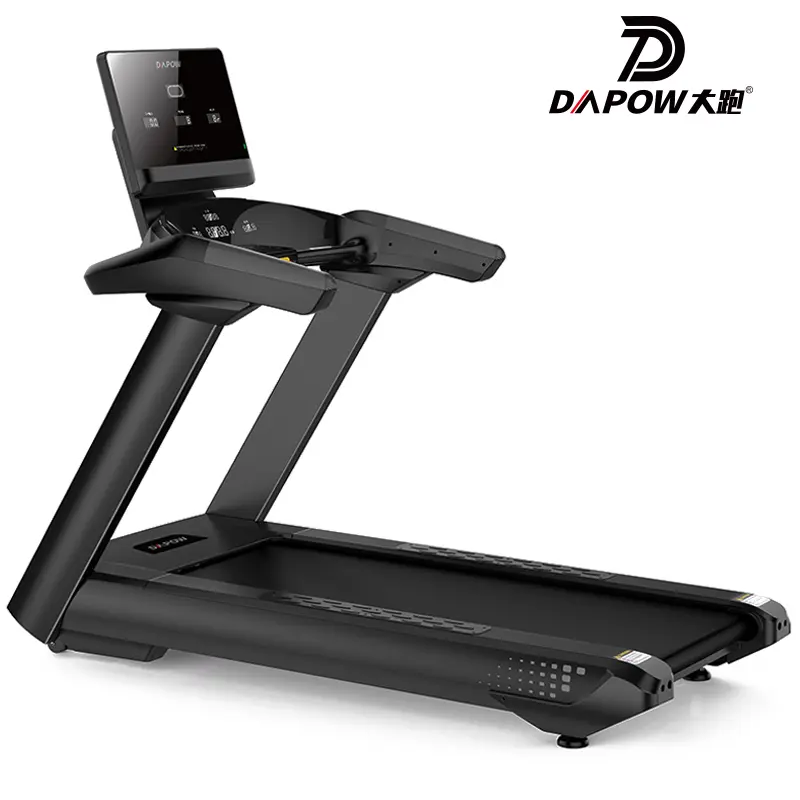
Getting Parts Into the First Container
The single most effective thing an importer can do is include the spare parts allowance in the first shipment. Parts ordered later arrive as expensive air freight or as a small LCL shipment with disproportionate handling cost.
Spare parts are also lightweight relative to the machines, so the freight impact of adding them is far smaller than their value suggests. A few cartons of belts and boards in the first container costs almost nothing to ship and saves weeks when the first claim arrives.
What to Negotiate With the Factory
Spare parts terms should be agreed before the first order, not after the first failure:
- A parts price list valid for at least three years after the last machine shipment, so you can service old units without a nasty surprise.
- A commitment to supply parts for a defined period after the model is discontinued, typically five to seven years.
- Exploded diagrams and part numbers for every model, supplied in editable format rather than as flat images.
- A named technical contact who can diagnose a fault from a photograph or a short video.
- Replacement under warranty shipped free of charge, including freight, on confirmed defects.
The parts supply commitment matters more than the warranty period. A five-year warranty is worthless if the factory stops making the board in year three.
Model Strategy Affects the Parts Burden
Every additional model multiplies the number of distinct spare parts you must hold. Importers who stock eight treadmill SKUs carry a parts inventory that is disproportionate to their volume and still never have the right board in stock.
A tighter range works better: one home treadmill as the volume line, one light commercial unit for the serious home and small studio segment, and one commercial treadmill for gym and hotel projects. Where a multifunctional design is wanted, a model such as the 4-in-1 multifunctional home treadmill covers several use cases with one parts set. Fewer platforms means deeper parts cover for the same money.
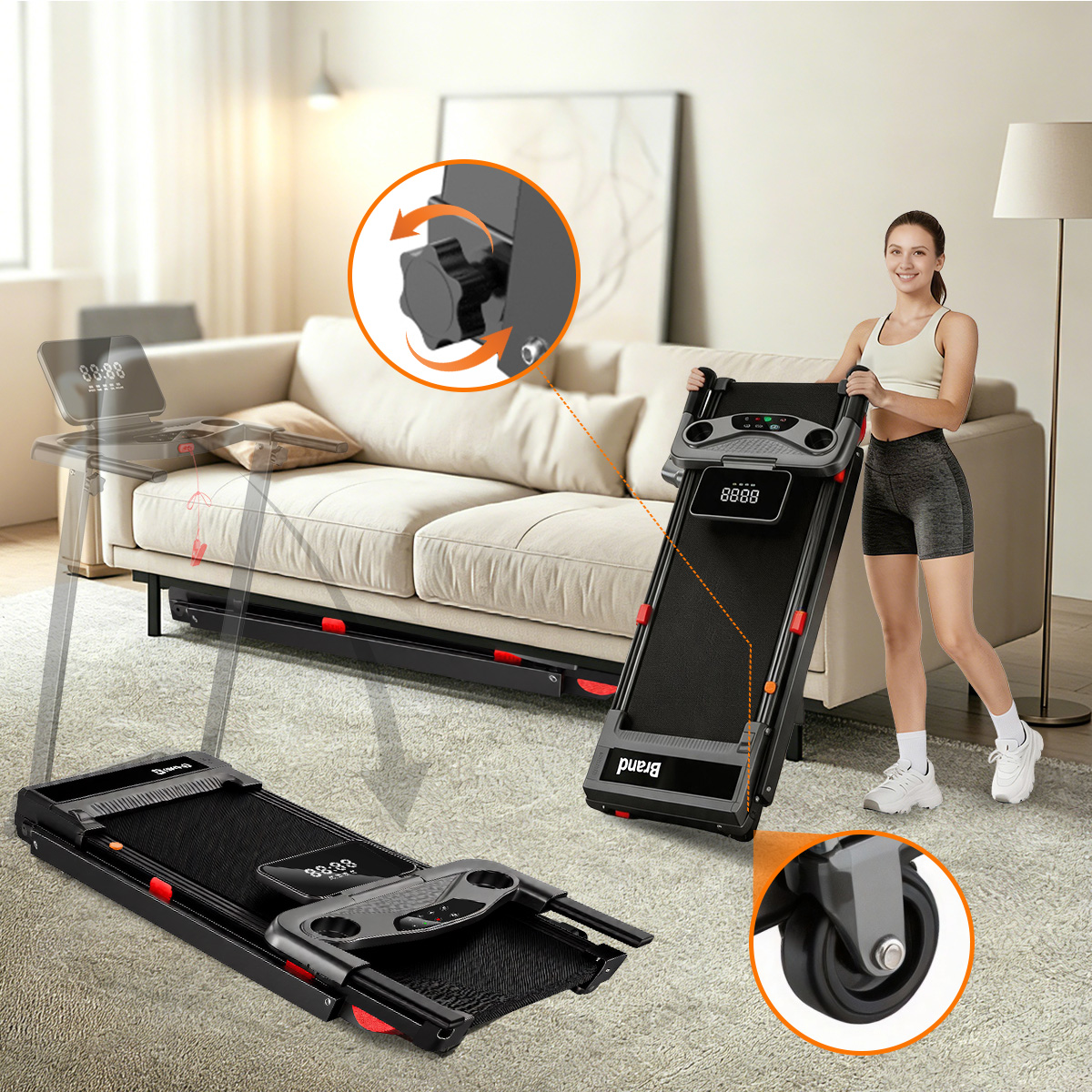
Service Documentation Pays for Itself
Supply your service partners with a simple diagnostic flow chart: symptom, likely cause, part number, and the checks to run before ordering. Most warranty claims that result in a board being replaced are actually belt, lubrication or power supply problems.
A technician who can rule out the three cheap causes before ordering an expensive board will cut your parts spend substantially within a year.
The Bottom Line
Budget two to four percent of order value for parts, ship them in the first container, and lock a three-year parts price list before you pay the deposit. Keep the model count tight so the parts cover is deep rather than thin. Review the full treadmill range with serviceability in mind, because the cheapest machine to buy is rarely the cheapest one to support.
Post time: Sep-14-2026