

Core Procurement Elements of 2-in-1 Folding Walking Pads
Negotiation Trap 1: Overly Focusing on Unit Price, Ignoring Total Cost of Ownership (TCO)
Trap Performance
Potential Risks
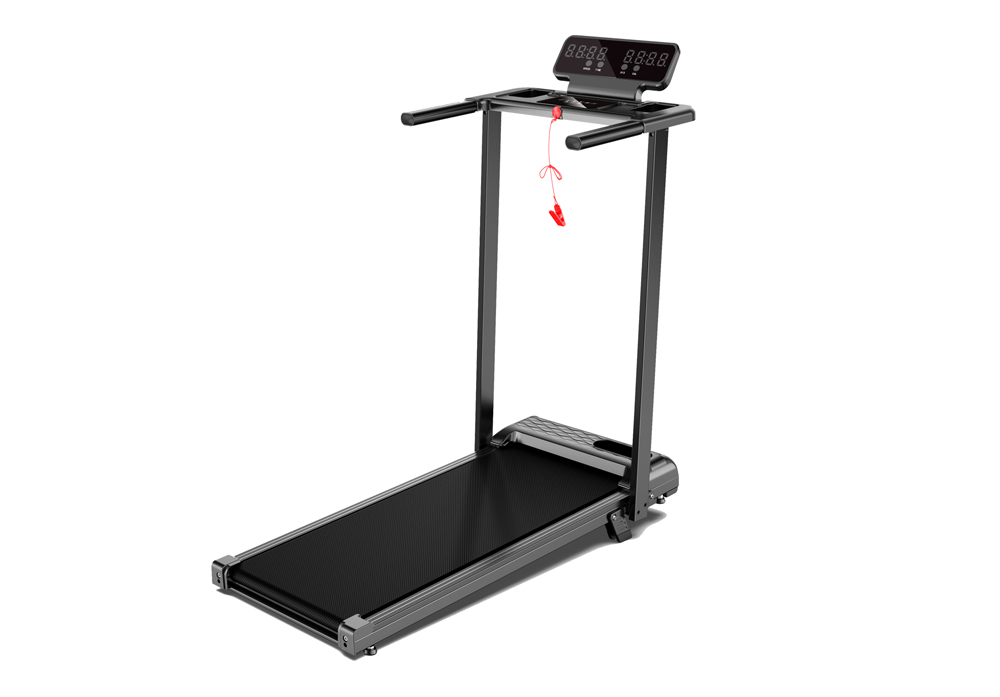
- Hidden Cost Surge: Due to the handrail structure, the packaging volume of 2-in-1 models is usually 30%-40% larger than that of ordinary walking pads, leading to reduced container loading capacity and higher unit shipping costs.
- Heavy After-Sales Burden: Low-priced models often use non-standard hardware, resulting in frequent problems such as loose handrail screws and broken folding hinges. Labor maintenance costs in the American market are extremely high.
Trap-Avoidance Strategies
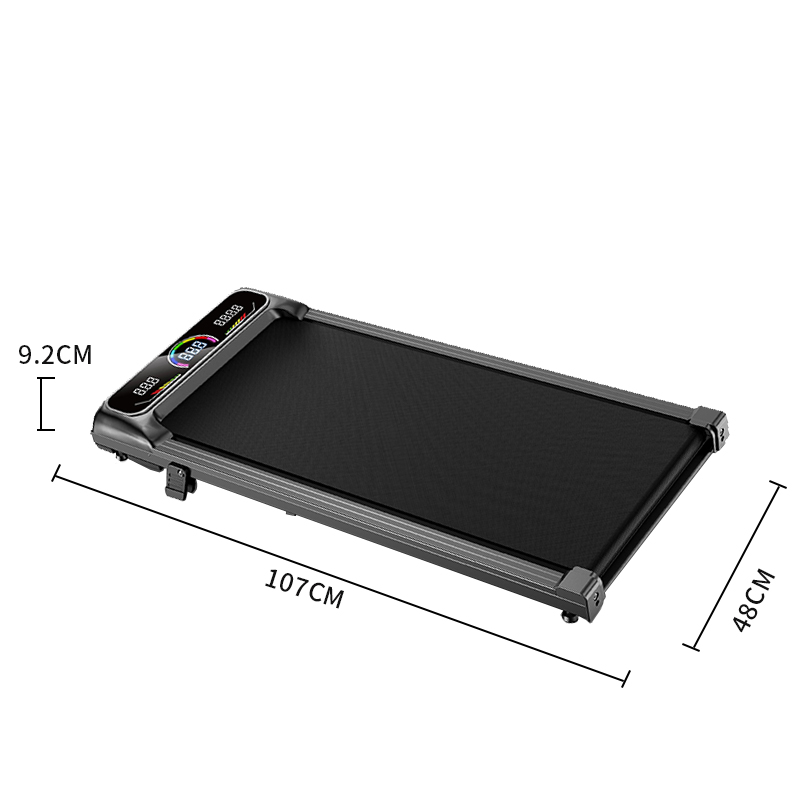
- Calculate TCO: Ask suppliers to provide folded dimensions (Length×Width×Height) and gross weight to estimate the effective cubic utilization rate per container.
- Request MTBF Data: Inquire about the motor’s Mean Time Between Failures (MTBF, recommended ≥1000 hours) and the number of folding mechanism cycle tests (recommended ≥10000 times).
- Lock Warranty Terms: Clearly define the start and end times of the warranty for motors, electronic components, and mechanical structures, as well as the logistics liability party for repaired parts.
Negotiation Trap 2: Confusing “Home vs. Light Commercial” Standards, Violating Compliance Red Lines
Trap Performance
Potential Risks
- Customs Clearance Obstacles: Some U.S. states require fitness equipment with handrails to meet the low-voltage safety standards of UL1647 or ETL certification. Products without certification may be detained by customs.
- Safety Accidents: The usage frequency of quasi-commercial scenarios (4-8 hours per day) is much higher than that of home use (0.5-1 hour per day). Ordinary home motors are prone to overheating and damage, and handrail shaking may lead to user fall lawsuits.
Trap-Avoidance Strategies
- Scenario-Based Procurement: If the target channels include rental or public facilities, must purchase “Heavy-Duty Home/Commercial” grade models with a recommended motor power ≥2.0HP and maximum load capacity ≥120kg.
- Certification Prioritization: Directly request the UL/ETL certificate number during negotiations, or stipulate in the contract that “advance payment is conditional on passing factory inspection”.
Negotiation Trap 3: Ignoring Ergonomic Adaptation and Localization Needs
Trap Performance
Potential Risks
- Experience Gap: The average height and weight of American users are higher than those of East Asian groups. Too low handrails are likely to cause back strain, and overly narrow running belts (<42cm) increase the risk of stepping off the edge.
- Bad Review Surge: APPs that only support Chinese or lack Imperial Units (miles/pounds) switching will significantly reduce user satisfaction.
Trap-Avoidance Strategies
- Parameter Localization: Require the running belt width ≥16.5 inches (42cm), the handrail height adjustable range covering 34-42 inches, and support for imperial/metric unit switching.
- Ecosystem Compatibility: Confirm that the APP supports download in the U.S. regions of iOS/Android and can synchronize data to Strava or Apple Health without a VPN.
Key Negotiation Indicators Comparison Table
| Evaluation Dimension | High-Risk Configuration (Trap) | Recommended Configuration (Trap Avoidance) |
|---|---|---|
| Motor Power | Peak 1.0HP (serious false labeling) | Continuous 1.5HP+ (actual measured value) |
| Folding Mechanism | Simple buckle, no hydraulic assistance | Hydraulic slow descent + double locking |
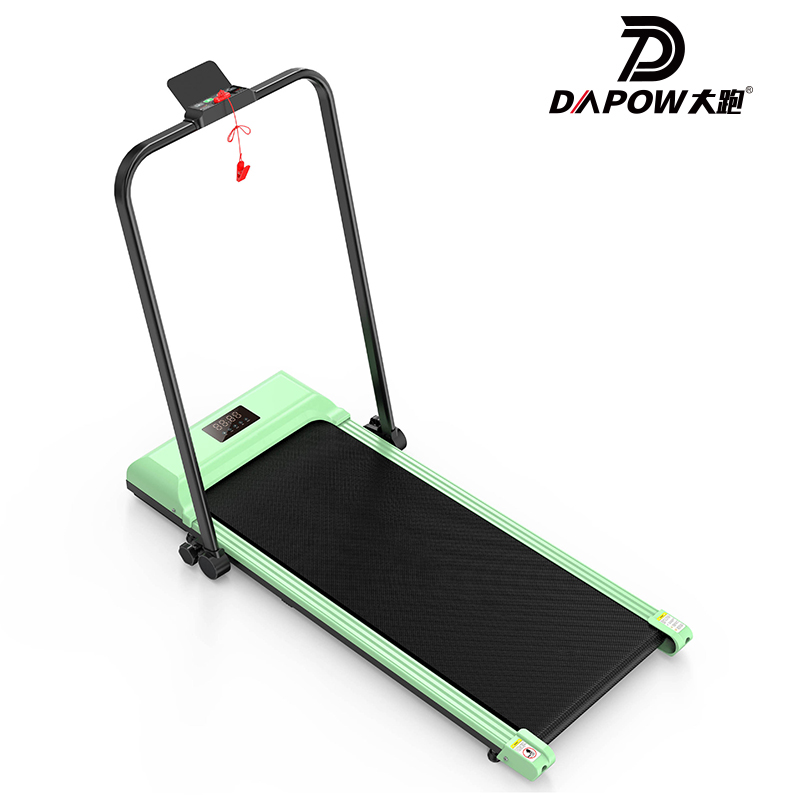
| Handrail Design | Single-point fixation, plastic connectors | Aluminum alloy double columns, triangular support |
| Display Panel | Only metric units, no heart rate monitoring | Bilingual interface, hand grip heart rate/Bluetooth connection |
| Packaging Specifications | Whole machine unpackaged, no corner protection | Foam molding + double-layer carton, anti-fall marks |
Advanced Negotiation Skills: From Passive Inquiry to Active Control
- Authenticity of Tiered Pricing: Be wary of empty promises such as “enjoy the lowest price for annual purchase of 3000 units”. Ask suppliers to split mold costs and material fluctuation clauses, and sign a flexible Minimum Order Quantity (MOQ) agreement (e.g., ±15%).
- In-Depth Sample Testing: Not only check the appearance but also conduct 72-hour continuous operation tests and folding fatigue tests, focusing on abnormal noises and heat points at the handrail joints.
- Intellectual Property Ownership: For ODM customization, clearly define the copyright ownership of logo printing, UI interface, and appearance improvement designs to avoid subsequent liability claims from the original factory or third parties.
Frequently Asked Questions by Importers
A: It mainly stems from differences in motor brand (unknown domestic vs. Taiwanese/Japanese series), steel thickness (pipe wall 1.2mm vs. 2.0mm), and PCB board protection level (anti-static/moisture-proof). Do not only look at the horsepower value; verify the torque and temperature rise curve.
A: Mainstream designs are divided into “one-piece folding” and “detachable handrail assembly”. The former has a better user experience but higher shipping costs; the latter saves volume but is cumbersome to install. During negotiations, choose according to your own warehousing capacity and confirm whether the handrail connection end is a quick-release structure.
A: It is recommended to adopt “raw material index linkage” or “range exchange rate locking” clauses. For example, agree that the factory absorbs copper price increases within 5%, and the excess is shared by both parties, rather than simply requiring annual price locking.
A: Stipulate “liquidated damages for delayed delivery” in the Proforma Invoice (PI) (e.g., 0.1% of the contract amount per day) and reserve the right to change ports or transshipment. At the same time, review the factory’s on-time delivery rate in the past 3 months in advance.
A: Amazon UL certification is a threshold. In addition, pay attention to California Prop 65 warning labels, bilingual manual format (English/Spanish), and battery transportation safety documents (MSDS). Ask the factory to provide a full set of compliance document templates during negotiations.
Conclusion
Post time: Apr-20-2026