

For fitness clubs, hotels, corporate gyms, and equipment distributors, purchasing commercial treadmills represents a major capital investment. Understanding their cost structure—especially for bulk orders—is essential to making smart business decisions and maximizing return on investment (ROI).
This guide breaks down the core factors that influence wholesale pricing for commercial treadmills, helping you gain the upper hand in supplier negotiations and ensure every dollar of your budget delivers maximum value.
Core Cost Drivers: Hardware Foundations That Determine Pricing
Prices of commercial treadmills are not arbitrary; they are directly shaped by internal hardware specifications and performance.
Motor Performance: The Heart of the Machine
The motor is the most critical component of a treadmill. Its Continuous Duty Horsepower (CHP) directly defines load capacity, running smoothness, and durability.
- Entry-level commercial: Typically 2.5 CHP – 3.5 CHP, suitable for hotel gyms or small studios with low-to-moderate usage intensity.
- Professional commercial: Generally 4.0 CHP and above, built to handle all-day, high-intensity use in large fitness clubs, delivering stronger and more stable power output.
Naturally, higher-horsepower motors translate to higher manufacturing and purchasing costs.
Running Belt Size & Deck Structure
A spacious, comfortable running area is a hallmark of premium commercial treadmills.
- Running belt dimensions: Wider (over 56 cm) and longer (over 155 cm) belts allow freer strides and improved user experience, but require a larger frame and longer belt, increasing costs accordingly.
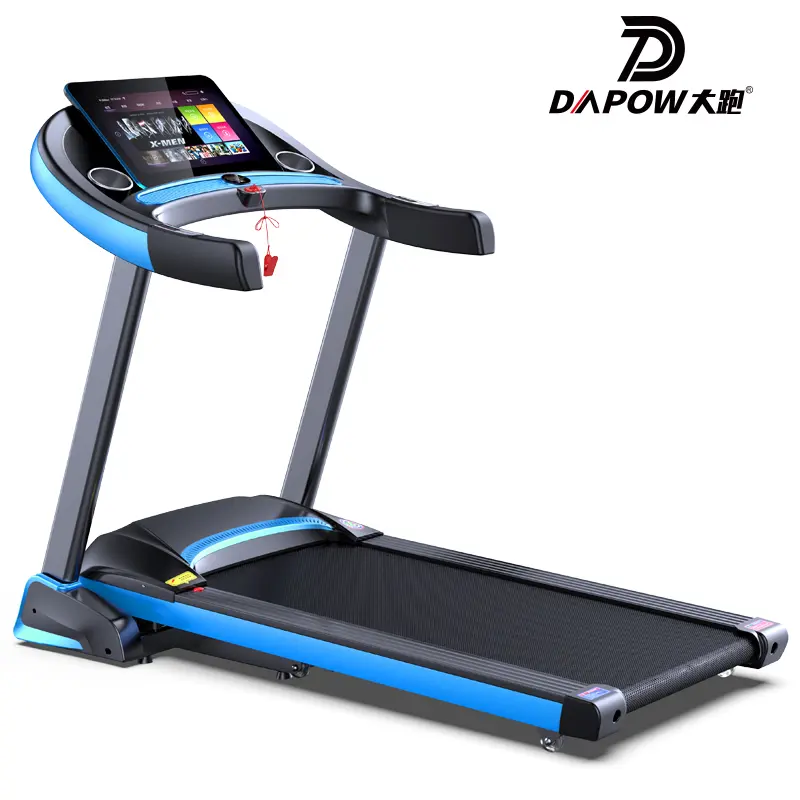
- Deck structure: Commercial treadmills commonly use multi-layer composite decks equipped with professional shock absorption systems—such as the double-layer shock-absorbing running deck featured in DAPOW products. High-performance cushioning effectively protects users’ joints, and its design and material costs represent a major source of price variation.
Frame Construction & Maximum User Weight
Commercial treadmills demand exceptional structural strength and stability.
- Steel quality: Frames welded with thicker, high-strength steel ensure the machine remains distortion-free and silent under long-term heavy use.
- Maximum weight capacity: Higher user weight limits (180 kg or 200 kg) require a heavier-duty frame, thicker rollers, and more powerful motors, all of which add to production costs.
Console & Electronic Systems
This is the central user interface and the highest source of technical added value.
- Display screen: From basic LED data panels to high-definition TFT touchscreens, screen size, resolution, and functionality (built-in workout programs, multimedia playback, etc.) heavily impact pricing.
- Electronic components: The brand and quality of controllers, sensors, heart rate monitoring systems, and other electronics directly affect response speed and long-term reliability.
Bulk Pricing Tiers: How Order Volume Affects Unit Cost
Volume itself is a powerful negotiating tool. Supplier pricing typically follows a clear tiered structure.
- Sample orders (1–2 units): Highest price point, often close to retail, used primarily for product testing and market evaluation.
- Small trial orders (1 x 20ft container): Qualify for initial wholesale discounts. This volume allows market testing while reducing per-unit logistics costs.
- Standard bulk orders (1 x 40ft container): The most cost-effective common order size. Unit costs drop significantly as production and fixed logistics expenses are spread across more units.
- Large-volume / annual contracts: For chain brands or major distributors, annual purchasing agreements or multi-container orders lock in the best rates and may include additional favorable commercial terms.
Core principle: The larger the order quantity, the more production and shipping costs are diluted per unit, resulting in a lower unit price.
“Hidden” Factors That Impact Final Landed Cost
Beyond the equipment’s FOB (Free On Board) price, the following elements significantly affect your total procurement cost.
Customization Requirements (OEM / ODM)
Many brands such as DAPOW offer OEM and ODM services.
- Light customization: Brand logo replacement, sticker color changes, or console panel skins involve minimal extra cost.
- Deep customization: Frame modifications, custom software development, or core electronic redesign require substantial R&D and mold investment, often with a higher minimum order quantity (MOQ).
Certification & Compliance Costs
Market access certifications represent mandatory expenses. Ensuring products carry valid certifications avoids the risk of cargo detention at the destination port.
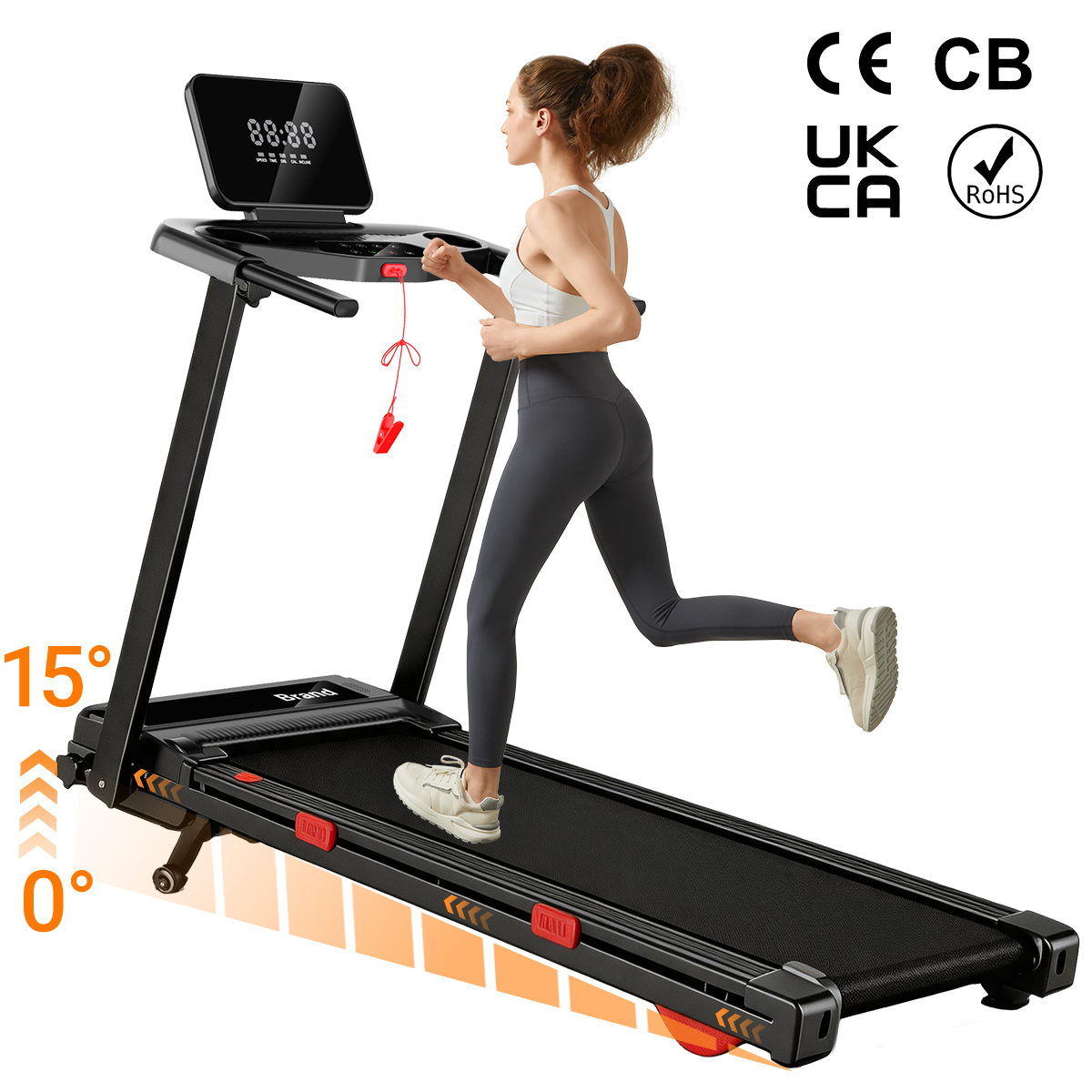
- European market: CE certification is essential.
- UK market: UKCA certification required.
- Japanese market: PSE certification mandatory.
Experienced exporters factor these certification costs fairly into their quotations.
Packaging & Logistics
- Packaging type: Sturdy 7-layer corrugated cartons and custom foam molds prevent shipping damage but cost more than basic packaging.
- Container loading efficiency: Compact product design directly increases units per container. Higher loading density reduces per-unit ocean freight.
Evaluating True Value for Money: Beyond the Price Tag
When comparing supplier quotes, never focus solely on the lowest price. Real value lies in long-term performance.
- Durability & maintenance costs: A slightly more expensive treadmill with extremely low failure rates results in far lower long-term maintenance costs and revenue loss from downtime compared to a cheap, high-maintenance alternative.
- Warranty policy: Review warranty terms carefully, especially coverage periods for core components including motors, frames, and consoles. Generous warranties reflect a manufacturer’s confidence in product quality.
- Supplier strength: Partnering with manufacturers boasting years of industry experience—such as DAPOW with 15 years in the business—professional R&D teams, and a strong international reputation ensures consistent quality and reliable after-sales support.
Conclusion
Purchasing commercial treadmills is a systematic process. By fully understanding cost structures and aligning choices with your market positioning and order volume, you can make decisions that best serve your business interests and build a solid foundation for growth.
Post time: Jul-09-2026